Get Full Government Meeting Transcripts, Videos, & Alerts Forever!
Get email alerts on the Ethics topic
No spam. Unsubscribe anytime.
Ethics training in Compton stresses Form 700, $500 recusal rule and gift limits
Summary
Special counsel reviewed the Political Reform Act, Form 700 filing, conflict‑of‑interest tests, gift reporting thresholds ($50), a $630 annual gift limit per source, and the $500 campaign‑contribution trigger that can require recusal on licenses, permits and entitlements.
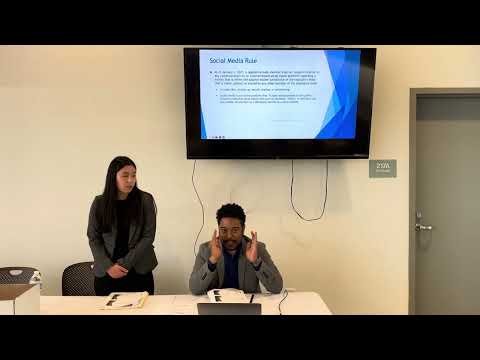
Olivia McGovern, special counsel for the City of Compton, led an ethics segment that distilled disclosure and disqualification rules under the Political Reform Act and related statutes.
McGovern described the basic rule: officials must not use their position to influence decisions in which they have a financial interest, and those duties are enforced through disclosure (Form 700) and disqualification when a reasonably foreseeable material effect exists.
She outlined the commonly applied thresholds: gifts worth $50 or more must be reported; no official may accept more than $630 from a single source in a calendar year without special exceptions; and campaign contributions of more than $500 from an applicant or a party with a financial interest can require recusal on licenses, permits or entitlements for 12 months. "If you're receiving $500 as a campaign contribution from an entity, then you have no right to vote on an entitlement or a license or a permit that has to do with a business or entity in that particular area," McGovern said.
The presenters walked through the FPPC conflict test: (1) is a financial effect reasonably foreseeable, (2) would the effect be material, and (3) would the effect be indistinguishable from that on the public generally. Using an example, McGovern said a council member whose spouse draws more than $500 from an engineering firm should not participate in decisions involving that firm.
Penalties and case examples were discussed to underscore the seriousness of violations: McGovern cited a Los Angeles example where a council member pleaded guilty to federal charges for exchanging official favors for personal benefits; presenters said that proven violations can result in invalidated decisions, fines, loss of office and attorney‑fee liability.
Presenters also covered perks and improper use of public resources, the reporting and donation options for unwanted gifts, and advised commissioners to consult counsel when in doubt. They closed the session by urging transparency: file Form 700s as required, disclose potential conflicts on the record, and step aside when disqualification is necessary.