Get Full Government Meeting Transcripts, Videos, & Alerts Forever!
Get email alerts on the Public Health topic
No spam. Unsubscribe anytime.
Health department budget under review as WIC and other services face cuts
Summary
Riley County staff and David Adams outlined the health department’s caseloads and warned that WIC and other programs may need local supplemental funding in 2027 as federal support declines; David Adams urged caution before cutting programs that serve low-income residents.
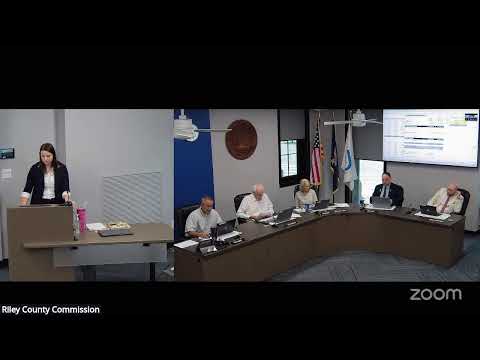
David Adams, identified in the meeting as the interim budget department director, presented worksheets and caseload breakdowns for the health department and urged commissioners to consider the programs’ human impact before making cuts. Adams said the county is legally required to provide communicable-disease control and that immunizations are required 'if and when funds are available.' He emphasized the health department serves primarily low-income residents and that staff see individuals daily.
Adams and staff flagged the WIC program as at risk: recent federal funding cuts mean the county will likely need to provide supplemental funding in 2027. Adams said the WIC division keeps facing federal reductions and that 2027 will likely require local support above historical levels. Commissioners asked staff for a split-out of fiscal impacts and a memo quantifying client caseloads and program costs before any final decisions.
Staff agreed to prepare detailed fiscal worksheets and a memo ahead of the next work session; commissioners requested that the health-department reorganization and personnel impacts be included when Elizabeth (personnel subject-matter expert) returns. The board instructed staff to present a 'worst-case' version of the health-department budget so members can evaluate the trade-offs between statutory obligations and discretionary services.