Get Full Government Meeting Transcripts, Videos, & Alerts Forever!
Get email alerts on the County Finance topic
No spam. Unsubscribe anytime.
Supervisors press staff over mileage, reimbursements and outreach spending tied to state training grants
Summary
Board members questioned a county employee’s travel, mileage claims and outreach spending after the county used state training reimbursements to maximize grant funds; auditors and the county attorney were asked to review reimbursements and provide guidance before a final decision on additional county payment.
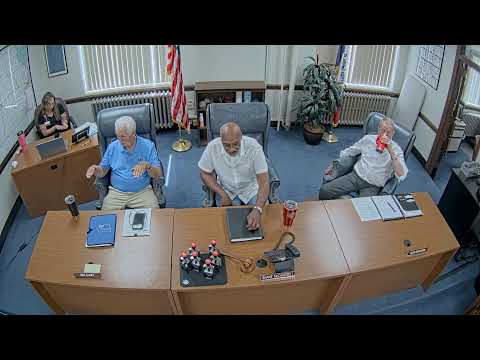
A long discussion and public scrutiny of travel and outreach spending took place during the Des Moines County Board of Supervisors’ June 30 meeting after staff presented reconciled reimbursements tied to multiple training trips, including a national conference in Reno.
The board reviewed how a county employee used a $3,000 state reimbursement opportunity and a separate $10,000 training fund, and members questioned whether driving instead of flying and the purchase of outreach items (including about $1,800 in hats) were appropriately handled. The auditor’s office explained that the county had received state reimbursements for training and that mileage had originally been reimbursed at the county rate then adjusted; the employee said they had maximized the state reimbursement and had believed the grant covered most costs.
Board members asked the auditor and county attorney to compile the exact numbers and legal options before the board decides whether to approve additional county reimbursement for mileage or to reduce reimbursed amounts. The county attorney said he would review employment and budget rules before the board makes any decision that might affect personnel compensation or require repayment.
Key concerns raised included: - Whether county policy required use of a county vehicle (two county traverses exist for scheduling) rather than driving personal vehicles for long trips; staff noted the county generally encourages use of county vehicles where possible. - Whether the travel pattern (multiple trainings in the same fiscal year) and outreach purchases conformed with grant rules and any internal purchasing approvals. - A discrepancy in mileage rates: the county’s rate had changed during the reimbursement period, producing differences in amounts paid versus what would be reimbursed at state rates.
Board members requested detailed receipts and a clear explanation of how the reimbursements were calculated; staff said they would provide receipts and reconciliations and bring the item back to the board after legal and auditing review.
The board did not take a final vote on personnel repayment or reduction at the meeting; it set a follow-up agenda item so members could decide after receiving the auditor’s and county attorney’s recommendations.