Get Full Government Meeting Transcripts, Videos, & Alerts Forever!
Get email alerts on the State Budget And Policy topic
No spam. Unsubscribe anytime.
State Rep. Vincent Kendallor warns of looming deficits, outlines new AI and housing measures
Summary
State Rep. Vincent Kendallor told North Branford listeners that the recent legislative session added roughly $850 million in program allocations but that the state is "overspending" and faces projected deficits in the next two years. He highlighted new state restrictions on discriminatory AI hiring tools, workforce retraining and housing provisions that he said reduce local zoning control.
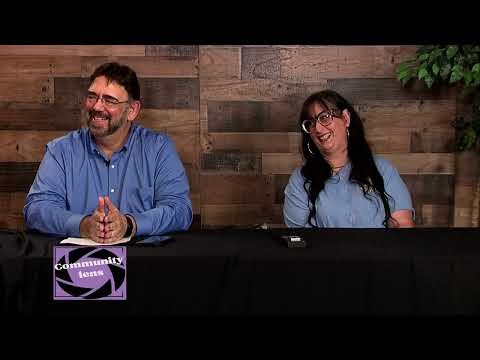
State Rep. Vincent Kendallor, who represents the 86th District, told North Branford’s Community Lens that the recently completed legislative session included roughly $850 million in new program allocations but left the state facing budget strain.
"Our state is is overspending a little bit. Um we are projected to have deficits in the next two years which is a big concern that I have," Kendallor said, summarizing the outcome of the budget adjustments and the pressure he expects for the next gubernatorial term.
Kendallor described three areas lawmakers focused on this year. First, he said the legislature increased education funding directed to local districts, and North Branford received additional allocations that required the town to reopen certain budget decisions. Second, he said lawmakers tackled regulation of artificial intelligence. "You can't discriminate using AI the same way you couldn't discriminate if you did it by hand," Kendallor said, describing a state prohibition on AI hiring filters that could screen out qualified applicants (for example, on the basis of age). He also said the session included provisions aiming to fund workforce development so workers displaced by automation can retrain.
Third, Kendallor described changes to housing law that he said reduce local control over zoning. He criticized a provision that eliminates minimum parking requirements for some apartment projects and said other language allows some commercial properties to be converted to residential use "as of right." "That bill really missed the mark and it's just going to trample on local control of zoning," he said, adding that towns are still seeking state guidance on how terms such as "commercial" apply to local zoning categories.
Asked whether a new federal housing bill would affect the state law, Kendallor said federal proposals under consideration largely focus on incentives rather than mandates and that he favors incentive approaches to support affordable housing. He also noted construction costs remain an obstacle: "When you talk to the contractors and the builders, the escalation of the materials haven't come down. So, naturally, it costs more to build these homes."
Kendallor acknowledged practical complications in the homeschool change that created a statewide registry. He described a provision that bars a parent from removing a child from school during an open Department of Children and Families investigation, and said officials will need to sort out how that rule operates across district lines.
Kendallor framed the session as bipartisan on several fronts but warned the state's fiscal path will force difficult decisions ahead. "The money is sort of running out now and so next year I think is going to be a major challenge," he said.
The representative encouraged residents to stay engaged with commissions and task forces and to participate in public meetings, noting some appointments to state commissions are made by legislative leaders. He said a newly formed education funding task force will examine how state education dollars are distributed.