Get Full Government Meeting Transcripts, Videos, & Alerts Forever!
Get email alerts on the Transportation topic
No spam. Unsubscribe anytime.
Cape Cod Commission planner outlines summer traffic-counting program and urges drivers to slow for roadside crews
Summary
Dave Nolan of the Cape Cod Commission described the agency's seasonal traffic-counting program, explained how technicians collect axle, class, speed and volume data to inform town projects, and urged motorists to slow down to protect field crews.
Dave Nolan, senior transportation planner at the Cape Cod Commission, described the agency's seasonal summer traffic-counting program and said the program supports towns across Cape Cod, including work this week in Sandwich to help plan a potential shared-use path. "We do really pride ourselves on data and data-based decision making," Nolan said.
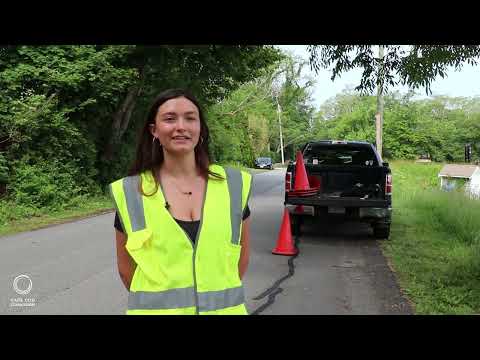
A staff member who works in the field explained how technicians install pneumatic tubes across roadways to record axle counts, vehicle class, speed and volume. That data, Nolan said, helps analysts see how many vehicles travel eastbound and westbound and which turning movements might impede an intersection, guiding design and safety improvements.
Another technician said they had reviewed 10 years of crash report data with attention to incidents of hydroplaning, linking the field-collected counts to safety analysis. Nolan emphasized the program's regional role: technicians assist the Commission's 15 towns and provide the underlying data needed before officials consider changing roadways.
Nolan also noted workforce benefits: many seasonal traffic technicians go on to careers in data analysis, planning or transportation engineering. One technician described the position as their first planning-related job and said the work aligns with interests in climate resilience and data-driven careers.
Closing the briefing, Nolan urged motorists to slow for crews at the roadside: "Please drive slow, and we like to go home safe and see our families at the end of the day." He framed the program as both a data-collection effort that informs local projects and a small workforce-development pathway for people entering the planning and transportation fields.