Get Full Government Meeting Transcripts, Videos, & Alerts Forever!
Get email alerts on the Recycling And Waste Management topic
No spam. Unsubscribe anytime.
Will County recycling specialist outlines safe disposal steps and upcoming collection events
Summary
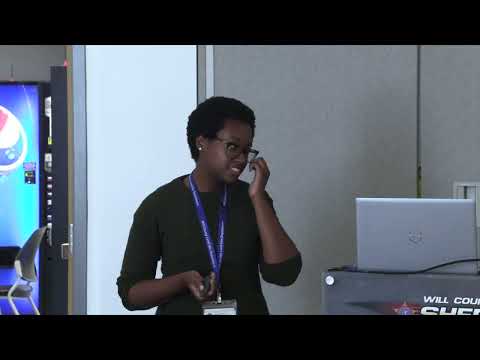
Briana Moore, Will County’s recycling program specialist, summarized curbside recycling rules, safe handling for electronics and batteries, the county’s household hazardous‑waste options and upcoming collection dates (including a Recycle Palooza on Sept. 12 in New Lenox).
Briana Moore, recycling program specialist in Will County’s Resource Recovery and Energy Division, outlined what residents should put in curbside recycling, how to handle batteries and electronics, and where to bring household hazardous waste.
Moore said recycling “is converting waste into reusable materials,” citing the EPA’s definition, and listed typical curbside items: clean metal food containers, unshredded paper, bottles and jars, and plastics commonly labeled with resin codes 1 and 2. She urged quick rinses to limit contamination and noted that plastics coded 3–7 are accepted inconsistently depending on local haulers.
The specialist warned that some items pose safety or machinery risks and should not go into curbside bins, including needles and sharp objects, plastic bags and other “tanglers” (garden hoses, Christmas lights), styrofoam, certain plastic utensils and appliances with refrigerants. For those, Moore advised using designated drop‑off sites or special collection events.
Moore said Illinois has banned many electronics from landfills for more than a decade and that the county accepts most corded devices at drop‑offs. The county runs one‑day collection events that accept electronics, household hazardous waste, scrap metal, wood and other hard‑to‑dispose items; she announced a Recycle Palooza on Sept. 12 in New Lenox and an electronics event Sept. 26 in Shorewood. Moore noted private at‑door pickup services exist but can charge fees (she cited about $40 for a TV as an example).
On batteries, Moore listed types residents commonly encounter—lithium‑ion, nickel‑metal hydride, nickel‑cadmium, sealed lead‑acid, single‑use alkalines and coin/button cells—and warned that tossing batteries in trash or curbside recycling can cause fires when units are jostled. She recommended storing batteries in a cool, dry place, taping terminals on small cells, and placing larger batteries individually in bags before transport. Moore pointed attendees to the Battery Network site locator to find local drop‑off points and said some sites accept damaged or defective batteries.
Moore also reviewed household hazardous waste (cleaners, lawn care products, automotive fluids) and clarified that latex paint is not classified as hazardous in Illinois; latex can be solidified (for example, with kitty litter) and disposed of in the trash once dried and sealed. She described PaintCare, a recently enacted program that partners with retail locations to accept certain paints and provides an online locator.
For items the county does not accept at its one‑day events—medical sharps (needles), ammunition, fireworks, many compressed gas cylinders and some smoke detectors—Moore advised contacting law enforcement, fire departments, manufacturers or specialized recyclers. She closed by directing residents to willcountygreen.com and the county green guide for a full list of drop‑off locations and partners.
Moore offered to answer audience questions and said she would distribute slides and resource links after the presentation.