Get Full Government Meeting Transcripts, Videos, & Alerts Forever!
Get email alerts on the Demolition Policy topic
No spam. Unsubscribe anytime.
Residents tell Dayton commission demolition rules must change after safety concerns
Summary
Multiple residents urged the commission to require physical notice and clearer standards before demolitions, and raised concerns about contractor practices, inconsistent property-ownership statements, and neighborhood disinvestment tied to city decisions.
Residents urged the Dayton City Commission to strengthen demolition-notice rules and oversight of contractor work, saying current practices risk people sheltering in vacant buildings and lead to perceived unfair treatment of properties in disinvested neighborhoods.
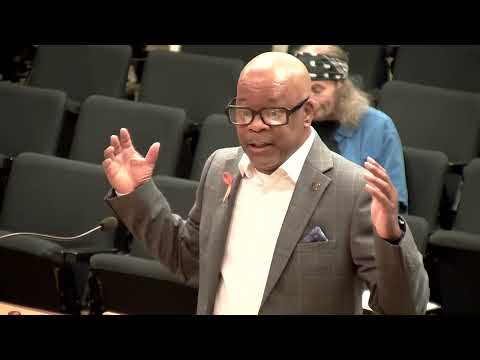
Taleeb Pashaway, who identified himself as living at 915 West Grand Avenue, told the commission that demolitions proceed without the same public notice required for property sales and that the city should require physical signage with date, time and location before tearing buildings down. “So when there is a demolition, a matter of life and death, why is there no requirement to notify the public at all?” he asked.
Rodney Stark, a neighborhood resident, pressed city officials about the status and financing for 34 North Main Street. He said the project has received multiple appropriations over time and raised questions about whether the city or the land bank controls the property, and he cited asbestos‑abatement funding and cumulative figures he said reached multiple millions.
Commissioners acknowledged the concerns and directed staff follow-up: one commissioner said a demolition report is usually presented monthly and the housing condition report will be available soon. Veronica Morris of the Division of Economic Development described the city’s vetting process for sales — requesting a business plan, a scope of work and, when possible, designs, and using development agreements with revisionary language to enforce compliance.
Why it matters: Public commenters framed demolition notice as a public-safety issue and said insufficient notice can harm residents and neighborhood trust; commissioners asked for more information and scheduled staff follow-up, but no policy change was adopted at the meeting.
Quotes: “We finance these demolitions and we finance the failure to do them fairly,” said Taleeb Pashaway. Veronica Morris said the Economic Development Division requires a business plan and development agreement for city property sales and “we have revisionary language in those agreements.”
Next steps: Commissioners asked that the regular demolition report and the upcoming housing condition report be presented to provide data on demolition locations and practices, and staff were asked to respond to specific ownership and compliance questions raised by residents.
Ending: Residents requested immediate policy changes; the commission requested staff reports and will consider any recommended rule or process changes in future meetings.