Get Full Government Meeting Transcripts, Videos, & Alerts Forever!
Get email alerts on the Evaluation Matrix topic
No spam. Unsubscribe anytime.
Committee adopts amended site-evaluation matrix, adds cost and 'fatal flaw' checks, removes one candidate
Summary
Members adopted an amended evaluation matrix adding cost, environmental and "fatal flaw" criteria, removed site 8 from consideration, and directed staff to prepare detailed cost estimates for finalists.
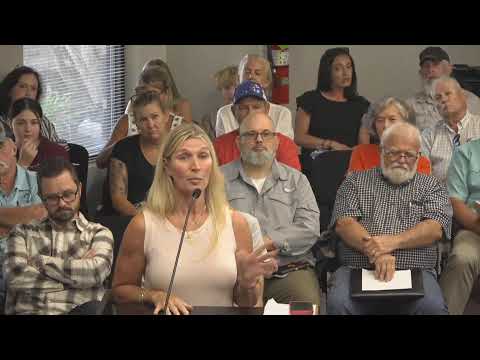
Lebanon's site-selection committee on June 29 adopted an amended evaluation matrix to guide second-round vetting of candidate parcels for a wastewater treatment plant. The matrix adds new scoring elements—construction and land cost, environmental/permitting impacts, existing infrastructure, land-acquisition complexity (including willingness to sell), size and a yes/no "fatal flaw" screen.
Committee leaders said the new criteria reflect concerns raised during public comment and technical review. One member described the "fatal flaw" item as a simple yes/no filter for insurmountable constraints such as insufficient buildable acreage, excessive floodway impacts or the lack of a practical discharge route.
Engineers on staff were asked to provide cost estimates tailored to each site's footprint and the types of treatment processes that could fit. As one participant explained, construction costs depend heavily on the chosen technology and the site's expandability; a small parcel could require a different (and potentially more expensive) process than a 60-acre site.
The committee also voted to remove site 8 (Permapipes location) from the candidate list after members described limitations in acreage and expansion options. The adopted matrix and the edited definitions will be circulated to members for use when the mayor returns information about owner willingness to sell.
The committee asked staff to return with cost breakdowns (land, grading/excavation, piping/conveyance, and operations) and to model an initial 20 million-gallon-per-day phase with possible future expansion.