Get Full Government Meeting Transcripts, Videos, & Alerts Forever!
Get email alerts on the Immigration Enforcement topic
No spam. Unsubscribe anytime.
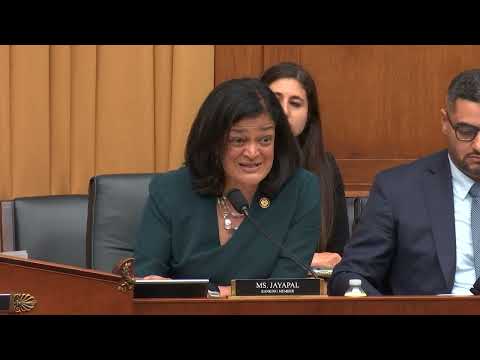
Committee member urges focus on public safety, criticizes repeated sanctuary‑city hearings and federal immigration enforcement
Summary
A committee member at a House Judiciary Committee hearing condemned repeated hearings on sanctuary cities and said aggressive federal immigration enforcement has diverted law‑enforcement resources, harmed prosecutions and communities, citing several statistics and urging a different committee focus.
A committee member speaking at a House Judiciary Committee hearing opened by offering "my deepest condolences" to Mrs. Gorman and Mr. Abraham for the loss of their children, and then criticized the committee for holding what the speaker described as the fourth hearing on sanctuary cities.
The member argued that "trust" policies separating local criminal‑law enforcement from federal civil immigration enforcement save lives and keep communities safer because they reduce fear that would otherwise deter witnesses from reporting crimes. The member said that, by blurring those lines, the Trump administration had "destroyed trust in communities and created fear," and that aggressive immigration enforcement had led to deportations of witnesses and losses in the capacity of law‑enforcement agencies to pursue complex crimes.
"They've diverted over 28,000 officers from their critical law enforcement activities to work on immigration enforcement instead," the committee member said, characterizing the reassignments as a cause of declines in non‑immigration criminal prosecutions. The speaker asserted that gun prosecutions had fallen by "more than 10%" and that investigators worked "33% fewer hours on child exploitation cases." The member also said that during an immigration enforcement surge in Minnesota, federal prosecutions of gun and drug offenses dropped by "nearly 90%."
The speaker attributed further effects across agencies, saying substantial shares of FBI, DEA, ATF and U.S. Marshals personnel were reassigned to immigration enforcement and that thousands of Homeland Security Investigations agents were focused on immigration rather than transnational crimes such as drug and weapons smuggling, child exploitation and human trafficking.
The member additionally said the administration had expanded ICE and Border Patrol and that Republicans had allocated "over $210 billion" to ICE and CBP, arguing that funding priorities came at the expense of domestic needs such as health care, housing and child care. The speaker alleged that "ICE has imprisoned 400,000 people just in the interior of this country since Trump came in" and said private prison companies profit from detention while contributing to Republican campaigns. The member also asserted that deaths in ICE detention reached a record "51" since the administration took office and alleged other abuses, including the killing of two U.S. citizens by DHS officers in Minnesota; those allegations were presented by the committee member as claims rather than as findings recorded in the hearing.
The speaker cited research from the Brookings Institution, saying that increased ICE enforcement in 86 metro areas correlated with job losses for American‑born workers — the member said "up to 297,000 American‑born workers have lost their jobs" as a result of intensified enforcement. The member called for committee hearings on what the speaker described as unconstitutional executive actions (citing an executive order on eliminating birthright citizenship and saying the Supreme Court "just ruled" the order unconstitutional) and urged the committee to focus on accountability, public safety harms and due‑process concerns rather than repeating hearings on sanctuary policies.
The committee member closed with a political appeal that when Republicans no longer hold the majority after November, the member and colleagues would pursue hearings on the issues raised. The transcript does not record any formal motions or votes on the subjects discussed during this statement.
(Quoted statements and numerical claims in this article are reported as the committee member presented them during the hearing.)