Get Full Government Meeting Transcripts, Videos, & Alerts Forever!
Get email alerts on the Generative Ai And Creators topic
No spam. Unsubscribe anytime.
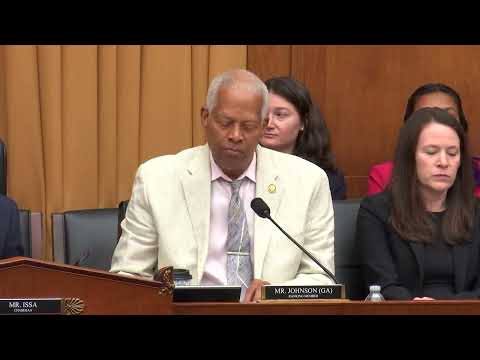
Committee member warns generative AI threatens creators, urges protections
Summary
A committee member opened a House Judiciary subcommittee hearing warning that generative artificial intelligence can steal creators’ work, defraud consumers and worsen inequality; they cited Georgia film industry losses and urged Congress to enact protections and compensation for artists.
A committee member delivering the opening statement at a House Judiciary subcommittee hearing warned that generative artificial intelligence poses significant risks to creators, consumers and local economies and urged Congress to enact protections and compensation for artists.
The committee member traced the internet’s evolution from a 1983 Department of Defense–linked research project into a foundation of modern life, then likened generative AI’s rapid adoption to that earlier transformation. “Even with widespread adoption of transformative technology, it is imperative that we continue to protect rights holders when technology is used to steal intellectual property, defraud consumers and increase inequality,” the committee member said.
The lawmaker gave specific examples to illustrate the harms, saying some websites offer near-identical knockoffs of trusted products or pirated content and that synthetic celebrity endorsements may be AI-generated. “Websites that miraculously have Project Hail Mary streaming for free really are too good to be true,” the committee member said, and added that a product “with Tom Hanks in the commercial may not have actually been endorsed by Tom Hanks.”
Citing state-level economic impacts, the committee member said Georgia’s film and television spending reached $4.4 billion in 2022 with 412 productions but fell by $2.3 billion to 245 productions in the most recent fiscal year, arguing those shifts have reduced work for writers and actors. They framed that decline alongside broader affordability pressures, saying Georgia’s median household income is “just under $82,000” while naming several high-profile wealth figures as context for growing inequality.
The statement also said creators across disciplines have seen their work used to train AI models “for free” while barriers to entry rise for new innovators, and urged policymakers to treat creators as a paid, recognized part of the AI ecosystem. The committee member recommended enacting protections, building accountability into technology deployment and ensuring equitable benefits from innovation.
The opening also raised consumer and infrastructure concerns: the committee member estimated consumer-device prices have climbed about 15–25% and argued that data centers are increasing utility costs and straining the grid, adding that seniors face difficult tradeoffs between utility bills and prescription medicines.
The committee member concluded by thanking Chairman Issa and saying they looked forward to testimony from the hearing’s witnesses. The hearing proceeded to witness testimony following the opening statement.