Get Full Government Meeting Transcripts, Videos, & Alerts Forever!
Get email alerts on the School Funding topic
No spam. Unsubscribe anytime.
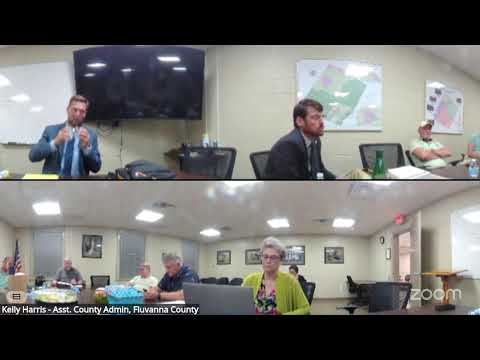
Fluvanna board orders referendum on up to 1% sales tax for school capital, sparking debate over meals‑tax overlap
Summary
The board voted to place a question before voters on allowing Fluvanna County to levy up to an additional 1% local sales tax for school construction and major renovations. Supervisors debated timing and how the new revenue would interact with an existing meals‑tax dedication to schools.
The Fluvanna County Board of Supervisors voted July 1 to initiate a referendum asking voters whether the county should be authorized to impose, by local ordinance and voter approval, an additional local general retail sales and use tax not to exceed 1% to fund capital projects for construction and major renovation of schools.
County staff explained the authority arises from the Commonwealth’s 2026 biennial budget and that, if approved by voters, revenues must be used solely for school capital and would expire no later than 20 years after adoption. Staff gave a rough revenue estimate under current activity of about $1.5–$2 million annually excluding groceries and essential personal hygiene exemptions; board members noted uncertainty and asked for more detailed revenue projections before a final ballot push.
Discussion highlighted overlap with an existing 2% meals‑tax dedication to schools. Several supervisors and staff acknowledged the county already dedicates a portion of meals‑tax revenues for school construction and debated whether the meals‑tax dedication should be reallocated or reduced if the sales‑tax referendum passes. One supervisor said a future ordinance could reallocate the existing meals‑tax share, but cautioned that petition and ballot language must be crafted carefully.
Supporters argued the sales‑tax option broadens the tax base beyond property owners and could generate sustained capital revenue. Opponents and hesitant board members worried about creating a new local tax before fully explaining interactions with existing levies. The board nonetheless voted to approve the resolution to pursue the referendum; staff noted court and election deadlines and the timeline to order a November referendum and draft ballot language.
Next steps: staff will prepare draft ballot language, more precise revenue projections, and potential options for reallocating the meals‑tax dedication should voters approve the sales tax. The board set internal deadlines tied to circuit‑court petition requirements for a November referendum.