Get Full Government Meeting Transcripts, Videos, & Alerts Forever!
Get email alerts on the Strategic Plan topic
No spam. Unsubscribe anytime.
Yelm Community Schools highlights attendance gains and classroom 'pockets of excellence' in year‑one strategic plan update
Summary
District staff told the board the first year of the five‑year strategic plan focused on launching systems and measuring baseline data, with attendance (64% regular attendance target) and assessment gains in pockets across schools while disparities remain at classroom and subgroup levels.
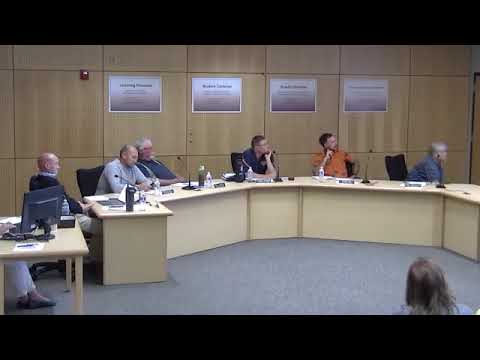
Board President Casey Shaw opened the June 25 meeting and asked district staff to present a year‑one update of Yelm Community Schools’ five‑year strategic plan. District staff said the first year emphasized building systems and aligning the strategic plan with school improvement plans and principal evaluation.
"This first year was all about launching it," said a district presenter, highlighting three integrated systems and a monitoring process tied to the plan's three core commitments: learning, belonging and community. Kurt (district staff) presented spring assessment and attendance data and said the district uses a "regular attendance" metric with a 64% target. "If a student misses a full day of school, that would be considered a negative hit for that day," he said.
Kurt showed three‑year Smarter Balanced trends by assessed grade and school. He said several grades and schools now match or exceed the state average, while others remain far below it, with some elementary classrooms measuring proficiency in the 30%–40% range. At the classroom level, third‑grade classrooms ranged from roughly the mid‑40s to more than 80% meeting standard, evidence, staff said, of considerable within‑school variation.
District presenters pointed to recurring themes behind higher‑performing classrooms: "bell‑to‑bell teaching," clear daily learning targets, frequent formative assessment, collaborative teacher teams and strong adult‑student relationships. Kurt said those classroom practices and collaborative professional learning communities are the lever the district will use to spread effective instruction.
On indicators of progress, the district reported ninth‑grade "on‑track" rates (students with no failing grades) improved from 62% to 69% year‑over‑year. Benchmark growth reporting (fall‑to‑spring) was presented with a 60% growth‑target goal; staff said several schools met that threshold for either ELA or math.
Lisa Cado Smith closed the presentation by naming three focus areas for 2026–27: improving attendance, strengthening tier‑one instruction, and increasing belonging across schools. She said school improvement plans next year will emphasize classroom‑level work to reduce disparities.
The presentation prompted questions from board members about metric definitions, student cohort tracking and how the district will scale practices from high‑performing teachers to other classrooms. Staff said the district can track cohort movement and will use data review cycles, peer collaboration and principals’ instructional leadership to spread successful practices.
The board received the update and will continue monitoring implementation through the three annual strategic‑planning meetings the district has scheduled.