Get Full Government Meeting Transcripts, Videos, & Alerts Forever!
Get email alerts on the Student Device Policy topic
No spam. Unsubscribe anytime.
Board debates districtwide cell-phone ban after MSBA session, plans survey and phased rollout
Summary
Board members reviewed models for a stricter student cell-phone policy after MSBA conference sessions, including a Stillwater bell-to-bell ban. Administrators said the district will include the question on the March strategic-planning survey and favor a phased rollout with community buy-in and logistical planning.
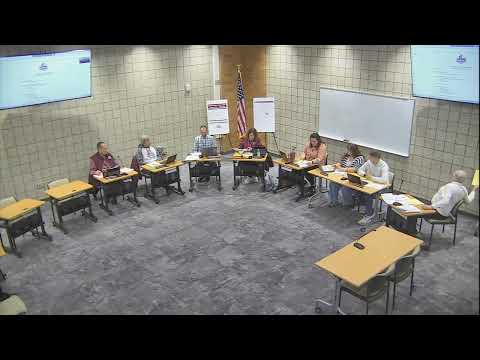
The Crosby-Ironton School Board spent more than an hour discussing whether to adopt a stricter student cell-phone policy after several members attended sessions at the Minnesota School Boards Association conference.
Superintendent Mr. Ali summarized models the district examined, saying districts take different approaches and that the board must design its own policy. He emphasized the need for a community-driven process: "We want to do this slowly and make sure everybody has had a chance to be a part of that process," Mr. Ali said, adding that the strategic-planning survey in March will include specific questions to measure community support.
Board members repeatedly cited Stillwater's bell-to-bell model — which requires students to keep phones off during the school day, store them in cars or lock boxes, and limit in-class usage — as an example of a district that rolled out a policy after community engagement and a year of preparation. Supporters said peer districts reported fewer classroom distractions, more students completing homework during the school day and reduced incidents that triggered large parental responses. One board member summarized those claims as benefits the district could expect if a similar approach were adopted.
Student representatives offered mixed but thoughtful input. Student Bailey said, "I think it is actually a good idea," but cautioned about students who rely on devices for flexible learning. Student Wyatt said organizers at the legislature and at the conference suggested parents could contact students through scheduled email-check windows or by calling the school office: "That bell-to-bell, like just not having it the whole school day, does sound like a really good option," Wyatt said after hearing the arguments.
Administrators and board members discussed logistics and equity questions: how phones would be stored (car, lock box), how to support students who need devices for coursework, and how to handle off-campus seniors with open lunch. Enforcement concerns included avoiding placing the burden on teachers and ensuring consistent rules across classrooms. The superintendent said rollout would include surveys of students, staff and families and would involve communication, enforcement planning and training.
No policy was adopted at the meeting. Board members said the district would use the March strategic-planning surveys to take the community temperature and that the conversation will continue at work sessions and future meetings.