Get Full Government Meeting Transcripts, Videos, & Alerts Forever!
Get email alerts on the School Meals topic
No spam. Unsubscribe anytime.
Medina City Schools says food service passed state audit, urges higher free/reduced breakfast take‑up
Summary
The district’s nutrition director reported a positive five‑year audit, described food‑service as self‑funded and outlined revenue sources, while board members pressed for better outreach to boost free and reduced breakfast participation.
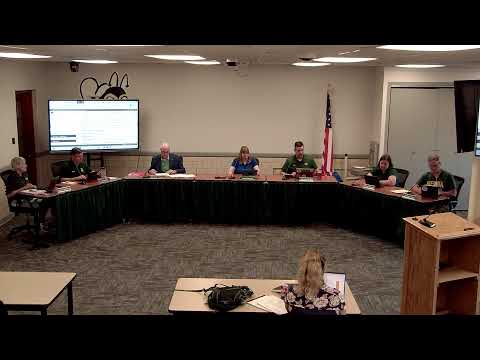
Medina City Schools’ nutrition team reported that the district’s food service department passed its five‑year state audit with strong marks and complies with U.S. Department of Agriculture meal‑pattern and Smart Snacks rules, the board heard at its June meeting.
The superintendent invited Mr. Oolop from the nutrition department to present the annual report. Oolop said the department is self‑supporting and draws revenue from cafeteria sales, federal and state reimbursements, USDA planned assistance, occasional equipment auction proceeds and catering. He said the state auditors praised the program’s operations during visits to school kitchens.
Board members questioned reimbursement rates and outreach. Oolop said the state reimbursement — not the district — sets the per‑meal payment levels and noted the district is limited to broad advertising of eligibility; schools cannot directly solicit individual families to enroll. He told the board that breakfast participation is higher in lower grades and declines at the high‑school level, and that the district would like to increase participation among eligible families.
The presentation also flagged new federal nutrition guidance for the 2025‑26 school year governing added sugars in some cereals, yogurts and flavored milk. Materials the board reviewed are posted in the district’s BoardDocs archive, Oolop said.
Board members and administration described outreach channels used to notify families — school packets, principal newsletters and final‑forms enrollment materials — and discussed barriers families face to enrolling in meal programs.