Get Full Government Meeting Transcripts, Videos, & Alerts Forever!
Get email alerts on the Downtown Camera System topic
No spam. Unsubscribe anytime.
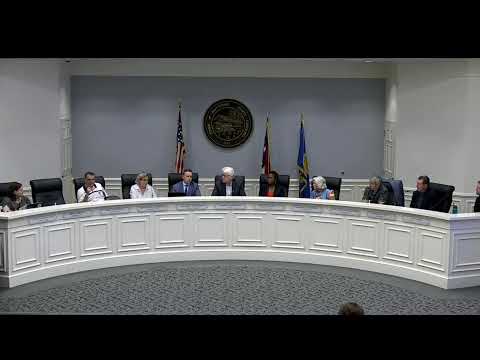
Matthews commissioners refuse 25‑camera downtown expansion after public and legal concerns
Summary
The Matthews Board of Commissioners on July 1 declined a proposed 25‑camera downtown expansion, citing rushed timing, contract and privacy concerns. Staff were asked to seek more vendor options, provide policy details and a legal memo before reconsideration.
The Matthews Board of Commissioners voted unanimously July 1 not to approve a proposed expansion of 25 permanent surveillance cameras in the town's downtown corridor, citing concerns about vendor contract terms, data security and the pacing of the procurement.
Town Manager Malia James told the board the special meeting had been called because the vendor signaled a national price increase that would take effect after July 3, creating time pressure to lock in a quote. Chief of Police Chief Aven presented a map of proposed camera locations (Trade Street, East/West McDow, Stumptown Park) and said the system would improve situational awareness at large events such as Matthews Alive and reduce the investigative workload for officers.
Chief Aven described how the system's search features would be used: "It's not going to tell me that Malia James walked across that camera," he said, explaining that the system matches only when an officer uploads a photo of a specific person. The chief also said the system is cloud‑based and that footage not retained for investigation would be deleted after 30 days unless specifically preserved for court.
Several commissioners said they were uncomfortable moving forward on a long‑term procurement on the eve of a holiday without more time to review contract language and any vendor commitments. Town Attorney Daniel Peterson said staff had reviewed materials provided by the primary vendor and flagged choice‑of‑law and indemnity provisions that would need negotiation before final execution, and cautioned that the vendor's standard end‑user agreement limited the ability to amend the contract during an initial return window.
Members of the public who spoke at the meeting urged the board to reject the expansion or slow the process. Mary Moss, a resident, said she opposed "a network of 25 permanent cameras that are stored on the cloud and that are capable of tracking my every move," and raised cybersecurity and oversight risks tied to the vendor. Ralph Vertorammo and other speakers warned about AI misidentification, disparate accuracy across skin tones, predatory subscription models and the possibility that footage or metadata could leave town control.
Commissioner Brian Hacker moved 'to not approve the expansion of the 25 cameras in the downtown corridor' and Commissioner Jonathan Clayton seconded. After public comment and additional discussion about alternatives (portable cameras for events, targeted intersection cameras, or more officers), the motion passed unanimously. The board did not approve the purchase at the meeting.
As follow up, Town Attorney Daniel Peterson said his office will prepare a memo addressing the specific privacy, data‑security and contract issues raised by residents and commissioners. Staff were directed to seek additional vendor quotes, provide the board with the town policies that govern surveillance and body‑worn camera data, and explore mobile/temporary camera options for large events. The board signaled an intent to revisit the matter at a later date after the requested information is provided.
The special meeting focused on policy, contracting and community trust as much as on hardware: board members repeatedly requested transparent, publicly available policy language that would govern acceptable uses, retention, custodial control and conditions for using AI search features before any multi‑year purchase is executed.