Get Full Government Meeting Transcripts, Videos, & Alerts Forever!
Get email alerts on the Cdbg topic
No spam. Unsubscribe anytime.
Harlingen commission approves 2026–27 CDBG action plan after heated public pleas and board defense
Summary
After public pleas from nonprofits and service providers, Harlingen’s commission voted unanimously to adopt the city’s 2026–27 Community Development Block Grant one‑year action plan following a lengthy defense from the advisory board chair about dwindling federal funds and grant administration requirements.
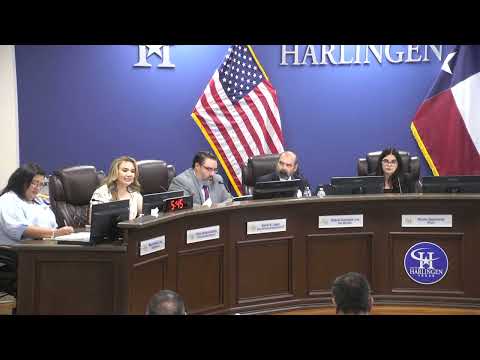
The Harlingen City Commission on July 1 unanimously approved the city’s 2026–27 Community Development Block Grant (CDBG) one‑year action plan amid vocal appeals from local nonprofits seeking funding.
Why it matters: Dozens of service providers and residents attended a public hearing to press the commission to restore or reallocate grant awards the advisory board declined to fund. The adopted plan sets priorities for housing, public services and infrastructure using limited federal allocations and establishes the city’s 30‑day public comment timeline ahead of the August 15 submission deadline.
The advisory board’s view: Jim Young, chair of the Community Development Advisory Board, told the commission the board evaluated applicants carefully and focused on minimizing administrative risk with federal HUD dollars. “We are zealously protective of every dollar that we have to allocate,” Young said, explaining that some applicants showed strong internal reserves or lacked administrative capacity to manage federal funding. He said programs recommended for funding were selected to maximize immediate community impact and compliance with HUD rules.
Public pleas and differences: Speakers from CASA of Cameron County, local sober‑living organizers and other nonprofits described urgent local needs — including child advocacy and addiction recovery housing — and asked the commission to reconsider zeros in the recommended awards. Enzo Raka, who proposed a sober‑living site, said his group requested a modest $30,000 to begin operations and urged the city to help bridge early‑stage funding gaps.
Commission response and decision: Commissioners pressed staff and the board on financial details and administrative capacity. Several commissioners urged better transparency and outreach to explain why some applicants were denied. Ultimately, the commission approved the action plan and budget recommended by the advisory board and directed staff to publish the required public‑notice materials and begin the 30‑day comment period.
What’s next: The city will post the action plan and accept public comment through the published period; staff will file the CDBG action plan before the federal deadline. Commissioners and board members said they expect community groups to refine proposals and reapply in future cycles.