Get Full Government Meeting Transcripts, Videos, & Alerts Forever!
Get email alerts on the Highway Superintendent Election topic
No spam. Unsubscribe anytime.
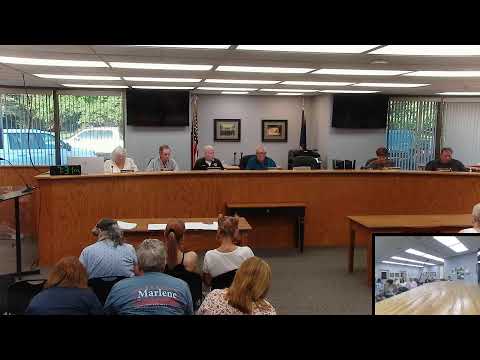
Highway officials and residents tell Shelby board to keep superintendent elected
Summary
County and state highway superintendents and many residents urged the Shelby board not to change the highway superintendent from an elected to an appointed position, saying elected superintendents remain accountable 24/7 and appointment could increase costs and reduce accountability; the board said any referendum would be decided by voters.
Elected highway officials from across the region and local residents told the Shelby board that changing the highway superintendent to an appointed role would reduce accountability and could raise costs.
James Ding, who identified himself as the elected highway superintendent in the town of Clarence and president of the New York State Association of Town Superintendents, said more than 90% of towns in the state keep superintendents elected. "Our job is never done. We are accountable 24 hours a day, seven days a week to the people that elect us," he said, and warned that appointing the position could bring long-term contracts, benefits and protections that make removing a poor performer more difficult.
Why it matters: Supporters of elected superintendents argued appointments would not necessarily save money and could create an insulated, less accountable position. Tracy Chucker, president of the Orleans County Highway Superintendent Association, said removing voters' choice risks creating a "good old boy club" and asked whether an appointed role would be civil service to ensure qualifications.
Speakers also raised operational and cost pressures: county officials noted rising truck and fuel costs and pointed to shared-service arrangements as a potential alternative to structural change. Several residents asked that public comments be recorded in the meeting record and sought clarification on the board27s oversight limits and spending authority for highway work.
Board response and next steps: The board closed the highway public-speaking session after testimony and recorded at least one opposition vote to the motion to close. Several board members said the proposal is intended as a referendum option and that voters would decide in November if the board places the question on the ballot. The board said written comments will be accepted for two weeks and additional protective rules (civil service, supermajority removal thresholds) could be considered if appointment proceeds.
No ordinance was adopted at the meeting; the board took no final action to convert either office and said the decision would be placed before voters only if the board approves ballot placement.