Get Full Government Meeting Transcripts, Videos, & Alerts Forever!
Get email alerts on the Municipal Budget topic
No spam. Unsubscribe anytime.
Council sets maximum millage at 3.0066% as FY27 workshop outlines budget priorities
Summary
At a budget workshop, village officials described a $44.4 million FY27 baseline, reviewed near-term pressures including a possible property-tax reform (staff estimated $800,000 in lost revenue in FY28 if a referendum passes) and agreed by consensus to set a maximum millage rate of 3.0066 to preserve summer flexibility.
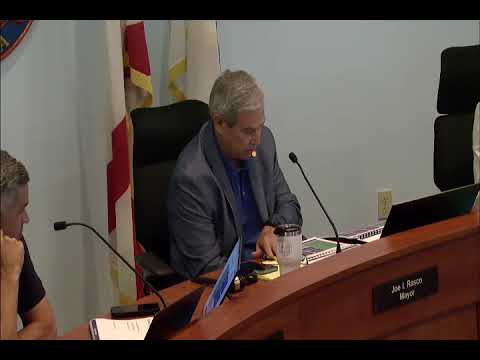
Mayor Rosco convened a workshop focused on the FY27 budget, where staff laid out a $44.4 million baseline and a summer schedule that includes a community meeting Aug. 12 and two hearings in September.
Benjamin, leading the finance presentation, described the village’s financial posture as strong, saying “we're in a very strong position related to our defined benefit plans.” He told the council the village’s key fiscal indicators have improved, reserves are above policy targets and debt service is a modest share of the budget.
The presentation flagged early pressures: staff said property valuations rose about 4.2% this year but cautioned that pending statewide property-tax reforms could cut village revenue. “If the referendum were to pass in November the reduction in revenue would be $800,000” in FY28 and about $1.6 million in FY29, Benjamin said, noting the timing problem because the FY27 budget must be set before the referendum outcome is known.
Council members asked staff to prioritize investments that produce measurable returns and to examine options other than straight spending cuts, including user fees, efficiencies, organizational change and targeted revenue measures. Staff highlighted a multi-prong mitigation menu—fee adjustments, contract renegotiations, targeted revenue measures and operational efficiencies via technology and performance contracts.
On capital priorities, staff presented a list of high- and lower-priority projects and explained how each would affect the millage. To preserve flexibility while staff refines revenue and project estimates over the summer, the administration recommended setting a maximum millage rate of 3.0066. The clerk advised the body that, for a workshop, consensus was an appropriate way to provide direction; council members expressed support for the recommended ceiling and staff were directed to return with refined estimates in September.
The meeting concluded with direction for staff to analyze procurement and funding options for a proposed replacement fire vehicle and other high-cost items so the council can weigh options before final budget hearings.
The council adjourned after a brief motion and voice vote.