Get Full Government Meeting Transcripts, Videos, & Alerts Forever!
Get email alerts on the Opioid Settlement Administration topic
No spam. Unsubscribe anytime.
Penobscot County opioid settlement committee readies summit presentation, presses for reports and budget
Summary
At its July meeting the Penobscot County Opioid Settlement Committee finalized plans for a summit panel and slide deck, agreed to collect six‑month awardee reports and provide optional feedback, and resolved to seek commissioners' help to fill committee seats and confirm a budget for the next funding round.
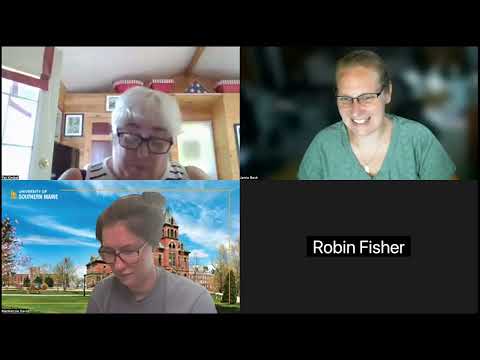
Jamie Beck, chair of the Penobscot County Opioid Settlement Committee, opened the July meeting and said the group would proceed “despite not having a quorum” to complete informational agenda items that require no vote.
The committee focused first on finalizing its summit presentation: members reviewed a draft slide deck that lists objectives, a brief history of the opioid settlement funds, FAQs, and a Rockland case study to be used as a panel case example. Beck said the deck — and links for attendees — will be published on the summit website and that she would share the slide link with McKenzie of the Moss Center.
The panel format will include short moderator questions to elicit comparable responses from panelists about how communities selected awardees (appointment, competitive grant, committee, or community survey), notable successes and challenges, and plans for the next funding cycle. The committee agreed the moderator should keep answers brief so the session can cover multiple perspectives, and that breakout groups will harvest additional insights to share with the larger audience.
The group also discussed administration of the settlement funds and resources available to communities. Members said the Attorney General's office has created assistance resources financed by opioid settlement funds and suggested presenters explicitly note there is no charge for those services.
On reporting, Robin (with Mass Out County) said some six‑month awardee reports were submitted late and confirmed the reports are due at the end of the month. The committee agreed to collect incoming reports in a shared Google Drive folder, individually review submissions before the August meeting, synthesize themes for a commissioners' briefing, and offer optional feedback to awardees who request it. Robin emphasized flexibility when awardees encounter delays: “I’m not interested in having them return the money unless absolutely necessary,” she said, adding that the committee should favor reasonable adjustments such as contract extensions or reallocation within an awarded pillar when grantees act in good faith.
Members described past cases in which one agency folded and returned funds and another lost its license and did not receive a second‑year extension. Those examples informed a consensus that the committee will prioritize keeping funds in active programs while ensuring compliance with the settlement pillars.
The meeting also advanced planning for a targeted gaps analysis and a potential request for proposals. McKenzie (Moss Center) offered to assemble a community profile — a snapshot of available data and county resources — and recommended targeted surveys or focus groups, including outreach to service providers and people with lived experience, to avoid overrepresenting visible but less evidence‑based priorities in public conversations.
Committee members cautioned that open community listening sessions held in Bangor could skew toward concerns such as discarded needles rather than service‑level gaps; a participant noted that documented cases of HIV from discarded needles are effectively zero and that transmission risk more commonly follows needle sharing. The committee agreed to combine community input with data to design a more targeted RFP for Penobscot County.
Finally, the committee agreed to seek a slot on the commissioners’ August 5 workshop agenda to confirm committee appointments and a budget that would support a second funding round. Pat Kimball agreed to draft an outreach email for members to review. The group set a plan to reconvene in August and to circulate draft moderator questions before the summit.
The meeting concluded after about an hour with no formal votes taken because of the absent quorum; members listed follow‑up tasks and thanked one another.