Get Full Government Meeting Transcripts, Videos, & Alerts Forever!
Get email alerts on the Social Services And Food Assistance topic
No spam. Unsubscribe anytime.
Community Action Lehigh Valley outlines broad anti‑poverty services and flags food-assistance disruptions
Summary
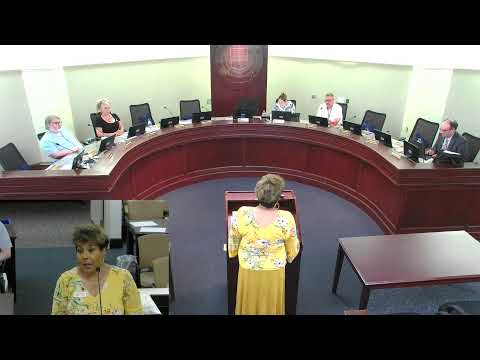
Dawn Godshall, CEO of Community Action Lehigh Valley, told the Northampton County committee the agency serves tens of thousands monthly through the food bank, shelter and housing programs and warned that 11 TFEIP emergency food-assistance trucks were canceled, leaving unanswered questions about federal distribution reliability.
Dawn Godshall, CEO of Community Action Lehigh Valley, told the Northampton County Economic Development Committee that the agency provides a wide mix of anti‑poverty services across the region and that demand for emergency food assistance remains elevated following federal and state funding disruptions.
Godshall described the organization's scope: Second Harvest Food Bank of the Lehigh Valley (a regional food-distribution network), the Sixth Street Shelter (the region's largest family shelter), Generation Next youth programming, a Rising Tide loan fund for small businesses and multiple neighborhood partnership programs including Slate Belt Rising. She said Second Harvest helped "about 124,000 people a month" in the last fiscal year and that the agency distributed roughly 16 million pounds of food (about 13 million meals).
Godshall warned that food-distribution operations have faced recent supply shocks. "Our our first 11 TFEIP trucks and TFEIP is the emergency food assistance program. 11 trucks were canceled on they they called us and said the truck's not coming," she said, calling the cancellations a multi‑million‑pound shortfall that the agency is still trying to explain despite federal statements of additional food funding. When committee members asked whether demand had returned to pre‑crisis levels, Godshall said "the numbers never went back down," describing sustained higher reliance on pantries for households that shifted spending to other essentials.
The presentation included outcomes and program metrics: in the cited fiscal year, Community Action reported helping 52 first‑time homebuyers, assisting 372 individuals through the Sixth Street Shelter, supporting 85 Generation Next students to graduation, and providing 205 households with emergency heating assistance. Godshall also noted Slate Belt Rising (serving Bangor, Wind Gap, Pen Argyl and Portland boroughs) faces future uncertainty after the state indicated it will not approve new multi‑borough Neighborhood Partnership Programs.
Andrew Block, Community Action's government‑relations manager, invited committee members to tour the food bank and shelter and emphasized the agency's reliance on local partnerships and county support. Committee members thanked the presenters; no formal county actions were taken at the meeting.