Get Full Government Meeting Transcripts, Videos, & Alerts Forever!
Get email alerts on the Master Plan 2026 topic
No spam. Unsubscribe anytime.
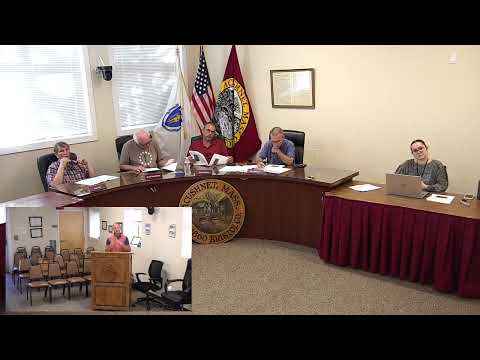
Acushnet Planning Board adopts 2026 Master Plan; backs two grant applications
Summary
The board unanimously adopted Acushnet's 2026 Master Plan, directing staff to pursue zoning updates, housing diversification, and transportation projects; it also voted to recommend select board approval to apply for SNAP Network technical assistance and MassDOT Complete Streets funding.
The Acushnet Planning Board on July 2 adopted the town's 2026 Master Plan after a two-year drafting and public outreach process led by the master plan committee and town planner Victoria Alfaro.
Alfaro summarized major goals in the nearly 200-page plan: modernize the town's zoning (including a zoning recodification and reconciling split-zoned lots), diversify housing types to allow alternatives to single-family homes (discussed options included duplexes and expanding village/residential districts), preserve cultural and historic resources, pursue an ADA self-evaluation and transition plan via grant funding, and advance transportation and circulation projects that prioritize pedestrian and bicycle connections and linkages to the South Coast Bikeway.
"This is kind of a road map that the planning board, the town, and all departments go by," Chair Mark Francois said, thanking the master plan committee and staff. Alfaro said the plan grew from public outreach events, committee meetings and a final library outreach event, and that detailed case studies and implementation steps are included in the draft.
The board moved to accept the master plan as written with minor editorial edits and voted in favor; the motion carried. The board noted the plan is advisory guidance, not a guarantee of specific actions, but one member described it as a tool to guide zoning and project decisions in coming years.
Separately, the board authorized staff to pursue two grant or technical-assistance opportunities and to ask the select board to approve the applications: the SNAP Network technical assistance (stormwater and open-space-residential-design bylaw work) and MassDOT Complete Streets funding for design or construction projects. Alfaro said an open-space residential design bylaw (a conservation-subdivision approach that concentrates housing to preserve open space) is a high priority and that Main Street pedestrian improvements were a logical use of Complete Streets funds. The board voted unanimously to recommend the applications to the select board.
The board postponed action on the 2026 Open Space & Recreation Plan and the 2026 Water Resource Management Strategy, indicating staff will return with completed drafts at a future meeting.
Next steps: planning staff will post the adopted master plan online, pursue the recommended grant and technical-assistance applications (pending select board approval), and return to the board with drafts for the OSRP and WRMS when complete.