Get Full Government Meeting Transcripts, Videos, & Alerts Forever!
Get email alerts on the Technology Cybersecurity topic
No spam. Unsubscribe anytime.
District technology director details device refresh and cybersecurity upgrades
Summary
Amy Gray and the district technology team reported deployment of 4,113 Chromebooks, over 1,000 new touchscreen devices this summer, a $138,000 cyber pilot award that funded a Palo Alto firewall, Proofpoint email protections that blocked nearly 29,000 suspicious messages in seven days, and plans for monthly penetration testing.
Amy Gray presented a broad technology update to the Anderson School District 3 board, introducing her team and summarizing recent device, security and infrastructure work.
Gray said the district now has 4,113 Chromebooks and that more than 1,000 new touchscreen Chromebooks were deployed over the summer. The district has adopted a four-year refresh schedule for laptops and a new approach under which students in certain grades receive a new Chromebook to keep for four years if fees/repair obligations are satisfied.
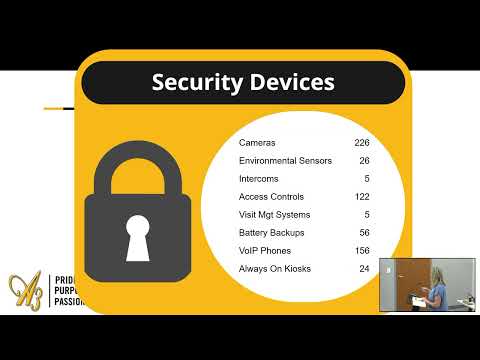
On infrastructure and safety, Gray described a districtwide rollout of IP-based intercom systems and Voice-over-IP telephones, expanded camera coverage with resilient kiosk logins, access control door monitoring (monthly "held-door" checks), and environmental sensors used to detect vaping hotspots and other air-quality issues. She said these systems generate analytics that allow maintenance and safety staff to respond faster.
Gray highlighted cybersecurity accomplishments: the district was awarded $138,000 in a cyber pilot that funded a Palo Alto firewall; the district implemented Proofpoint email protection and reported that the system blocked nearly 29,000 suspicious emails in the past seven days. She said the district uses multi-factor authentication (Google MFA and Duo for higher-risk accounts), conducts monthly penetration testing through a Tenable Nessus platform, and is working on stronger password policies and a new patch-management tool.
Gray closed by outlining upcoming projects including an access-point refresh and specialized cybersecurity training by job function. Board members praised the technology team’s progress.