Get Full Government Meeting Transcripts, Videos, & Alerts Forever!
Get email alerts on the Budget topic
No spam. Unsubscribe anytime.
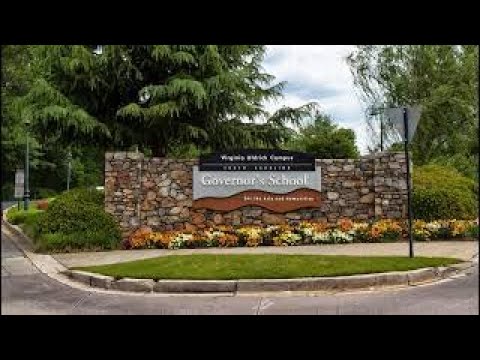
Governor's School board flags budget uncertainty after House Ways and Means recommendations
Summary
School leadership told the board that preliminary House Ways and Means support fell short of requests and could leave the special school facing a lean fiscal year; administrators stressed ongoing advocacy in Columbia and cited significant recent unbudgeted maintenance costs and grant-funded improvements.
The South Carolina Governor's School for the Arts and Humanities heard a sobering budget update from its president on Wednesday as the General Assembly moves through its budget process.
"All of our hearings are complete," Dr. Cedric Adderley told the board, but he cautioned that "preliminary support from the House Ways and Means Committee was not at the level that we desired," noting a statewide push to cut recurring funds while reallocating dollars elsewhere. He said legislative liaison Ted Riley is "advocating on our behalf" and the school will continue outreach to the full House and the Senate.
The board was shown that the school has received strong capital support in recent years — including a new music building and a residence hall — but administrators said this year may be "another lean year" if current recommendations hold. Adderley emphasized the multi-year nature of capital funding and expressed hope the Senate will add more funding before the final budget.
Chief financial officer Betsy Beam walked the board through operational finances and recent unplanned costs. "We've had almost $400,000 this year in unbudgeted expenses," Beam said, listing recent large HVAC and compressor replacements at the 25-year-old facility. She explained that the three Governor's Schools may roll over year-end funds into a reserve, which helps absorb unexpected maintenance costs, but cautioned that the reserve is being drawn down.
Beam also described smaller grant wins and targeted investments: a $137,000 Department of Education grant to begin electronic access-control door hardware and $137,000 in state-supported nonrecurring capital approvals highlighted in the House recommendations. She said the school is also preparing a 10% cuts exercise with each department to plan for contingency scenarios.
Board members raised the question of whether a broader free-school-lunch initiative under consideration in the House would cover the school's residential lunch and other meals. Beam and administrators said current federal/state rules would reimburse only lunch and not breakfast or dinner for a residential program without specific statutory relief; they asked legislative staff to explore a proviso or other carve-out to extend assistance to the school's three-meal model.
In closing, Dr. Adderley framed the situation as one the board has managed before: "We've had terrific support from Columbia" over time, he said, but "we're starting to think this will be another lean year." The school will continue to press its case in Columbia and report back as the budget process proceeds.
Next steps: the administration will continue legislative advocacy with Ted Riley, report any changes in the House or Senate allocations to the board, and refine contingency plans if recurring funding levels are reduced.