Get Full Government Meeting Transcripts, Videos, & Alerts Forever!
Get email alerts on the Policy topic
No spam. Unsubscribe anytime.
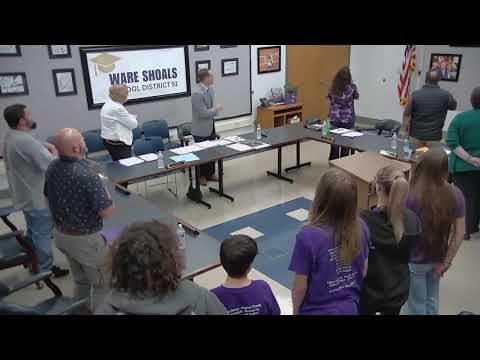
Board adopts student electronic-device policy, approves 2025–26 and 2026–27 calendars and reviews finances
Summary
On second reading the board approved Policy JCJ (possession of electronic devices) and authorized two future school-year calendars; the superintendent outlined communication plans and the finance report was reviewed. Votes were taken by voice; roll-call tallies and some implementation details were not recorded.
On a second reading the board approved Policy JCJ, governing student possession of electronic devices, and approved proposed school calendars for 2025–26 and 2026–27. The finance reports for several district funds were presented and reviewed but did not require a vote.
Dr. Crockett told the board the district will use printed materials, class meetings, a dedicated web page and a video to notify families and students about the new device policy and its consequences. He said the district is preparing to implement the policy in line with a state timetable, and noted class-time restrictions ("bell to bell") to limit distractions.
The chair asked for a motion to approve Policy JCJ; a motion was made, seconded and approved by voice vote. The transcript shows the board approved the policy on second reading but does not record a roll-call tally or the names of the motion-maker and seconder. Dr. Crockett described resources funded or prepared for the rollout, including a website and a short explanatory video.
The board then considered two calendars — 2025–26 and 2026–27 — that reflected staff preferences to preload professional development at the start of the school year, dedicate time for parent-teacher conferences after the first nine weeks and finish the school year in May. Members approved both calendars by voice vote while noting the 2026–27 calendar might need minor adjustments to align with a career-center schedule that had not yet been finalized.
The finance section included three monthly statements (high-school athletic activity fund, lunch balance and general operational budget). The chair emphasized transparency and that bank statements match reported ending balances. Questions were taken and the board reviewed the reports; no formal action beyond discussion was required.
The meeting record does not supply roll-call vote details for the policy or calendar approvals or detailed implementation dates for the device policy; those items were approved by voice vote during the meeting.