Get Full Government Meeting Transcripts, Videos, & Alerts Forever!
Get email alerts on the Budget Finance topic
No spam. Unsubscribe anytime.
Cheshire Board approves year‑end transfers and closes fiscal 2026 with balanced books
Summary
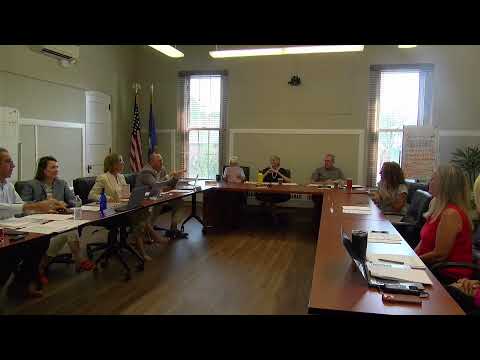
At a special June 30 meeting, the Cheshire Board of Education approved year‑end line‑item transfers to bring FY26 to a zero balance after a finance presentation showing the district spent its $94,124,314 budget and flagged higher costs for outplacements, substitutes, transportation and snow removal.
The Cheshire Board of Education on June 30 approved year‑end line‑item transfers intended to close fiscal year 2026 with a zero operating balance and heard a full year‑end finance report from staff.
"We are pleased to report that we have spent 100% of our approved $94,124,314 budget," Emily Taylor told the board during the finance presentation. Taylor walked through major variances and how the district balanced accounts at year end.
Taylor and other finance staff credited strict expenditure caps earlier in the year and the use of a $255,000 carryover from the prior year, which the district used for technology needs including Chromebooks and desktop replacements. Teacher salary savings from retirements and vacancies also produced a favorable variance that helped offset some overages.
The report highlighted several key negative variances: student transportation ran approximately $300,000 over budget because of individualized special‑education routes; student outplacements exceeded budget by about $440,000 (staff noted individual placements can range widely in cost); substitute teacher costs were roughly $600,000 over budget; and snow removal totaled about $360,000 against a $170,000 budget after an unusually active winter.
Unpaid student meal debt for FY26 was reported at $24,268; staff said the state’s move to provide free breakfast to all students next year could reduce some unpaid balances but would not eliminate lunch debt, which represents most local meal liabilities.
Board member Mark moved the fiscal year‑end line‑item transfer motion, which listed transfers among salary, benefits, instructional and support service accounts intended to bring the budget to balance; the motion was seconded and adopted by voice vote with the board answering "All in favor." The motion text and line‑by‑line amounts were included in the meeting materials.
Taylor also reported on the district’s medical benefits reserve, which stood at about $2.6 million (roughly 2.1 claim months in reserve). As part of the year‑end closing entries, the district recorded a $217,000 contribution to the medical benefits reserve to help offset a planned reduction in next year’s budget.
The board did not record roll‑call tallies in open session; outcomes were announced by voice as approved. The meeting moved next to personnel and planning items.
What happens next: the approved transfers and year‑end entries will become part of the district’s financial closeout documents and be reflected in FY27 budget materials and monitoring reports.