Get Full Government Meeting Transcripts, Videos, & Alerts Forever!
Get email alerts on the Housing topic
No spam. Unsubscribe anytime.
Residents press council for good‑cause eviction, stronger code enforcement and a landlord registry
Summary
Multiple residents and advocates urged the Troy City Council to adopt good‑cause tenant protections, reinstate a 'zombie property' program, strengthen code enforcement and create registries and processes that make landlord contact information and complaint records public.
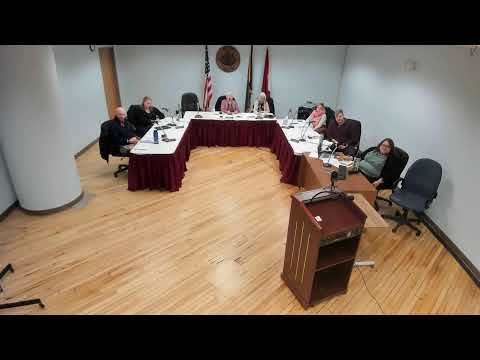
Housing and tenant protection dominated the public forum: union leaders, tenant organizers and dozens of residents called on the newly seated council to act quickly on good‑cause eviction and a package of enforcement and transparency measures.
"Good cause ensures that you are not simply a tenant who can be easily replaced," said Sean Collins, a union representative with SEIU Local 200 United and president of the Troy Area Labor Council, urging the council to deliver on campaign commitments. Eric Spinner, a long‑time housing advocate, provided a detailed list of reforms and asked the council to enforce existing code provisions, create online complaint forms, maintain a public complaint log, classify violations by severity, and stop "informal resolution" that leaves no trace for tenants seeking redress.
Several residents described unsafe housing conditions and absentee or out‑of‑city landlords. "We don't have time for me to go into those," said a long standing tenant organizer recounting pervasive issues such as mold, pests and collapsed ceilings; he recommended a bad‑landlord registry, mandatory landlord contact disclosure for LLCs, and more aggressive inspection hours that account for residents' work schedules.
Speakers proposed additional tools: a revived zombie‑property program to bring vacant buildings back to tax rolls; a vacancy tax or stronger fee enforcement to create incentives for repair; a right‑to‑repair mechanism and limited rent withholding when landlords fail to fix code violations; and a residential occupancy (RO) program to improve tenant protections at move‑in.
Council action recorded at the meeting was procedural only (the session was a public forum), and the transcript records no formal vote on housing items. Advocates asked the council to set near‑term steps including directing staff to draft ordinances for good‑cause eviction, tenant complaint systems, and landlord registry rules for a future legislative meeting.
Next steps requested by speakers: the council should instruct staff to prepare draft legislation and a timeline for public hearings; document complaint and inspection procedures; and re‑examine prior zoning or land‑use decisions that affect housing supply.