Get Full Government Meeting Transcripts, Videos, & Alerts Forever!
Get email alerts on the Meadow Project topic
No spam. Unsubscribe anytime.
Residents warn Meadow flood‑storage work removed thousands of cubic yards; commissioners discuss maintenance and design
Summary
A resident told the commission that about 2,000 cubic yards of material were removed at a Meadow flood‑storage site, displacing benches and signage and raising doubts about using the lowered area as an athletic field; staff said state program partners will inspect and finalize planting plans.
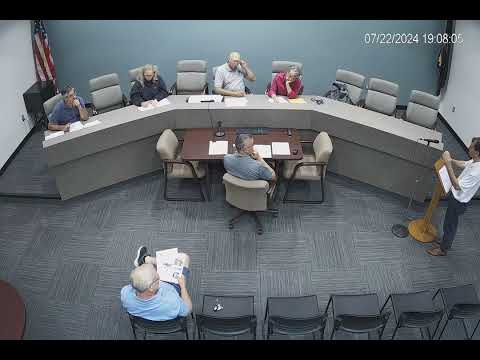
A resident told the Bridgeville Planning Commission that recent excavation at a Meadow flood‑storage site removed roughly 2,000 cubic yards of material over the past four weeks and that debris and repeated flooding would make an athletic field impractical.
"In the last four weeks 2,000 cubic yards plus were removed from the [meadow]," the resident said, adding that the haul represented an estimated 400,000 gallons of lost storage capacity and that benches and signage had been disrupted.
Residents and commissioners discussed whether the lowered area — once considered for a ball field — can function as both flood storage and a usable recreation space. Multiple speakers said the site fills frequently, brings down debris and glass during floods, and would require ongoing maintenance if repurposed for athletics.
Staff described the planned meadow as part of a state‑supported program and said DCNR representatives would inspect final layouts before planting. "They know this is going to be flooded," a staff member said, noting the state team will do a final inspection and staking to accommodate the site's flood behavior.
Commissioners acknowledged the site may be best used for flood‑resilient, low‑maintenance plantings such as meadow mixes or pollinator gardens and discussed mounting benches and fixtures on concrete pads and choosing plantings that can be replaced after flooding.
Why it matters: The project balances stormwater management and neighborhood amenities. Choices about elevation, plantings and movable or bolted fixtures affect maintenance costs and the site's long‑term usefulness for recreation.
Next steps: Staff said state partners will complete their inspection and staking this week; commissioners asked staff to return with final plans that account for maintenance and the site's flood profile before presenting a formal proposal to council.