Get Full Government Meeting Transcripts, Videos, & Alerts Forever!
Get email alerts on the Housing Plan And Ordinances topic
No spam. Unsubscribe anytime.
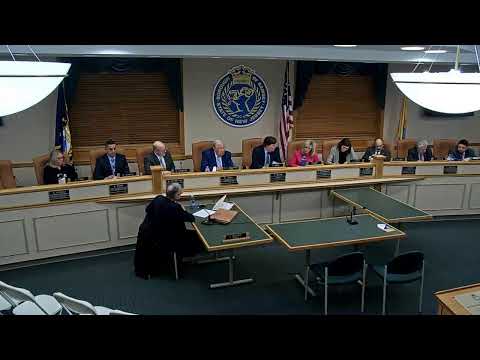
Ramsey planning board adopts amended housing element, recommends three overlay ordinances amid public concerns
Summary
The Ramsey Planning Board voted unanimously to adopt its amended fourth‑round housing element and to recommend three ordinances that create two multifamily overlay districts and a 20% affordable housing set‑aside, after residents raised traffic, emergency‑response and process concerns during public comment.
The Ramsey Planning Board voted to adopt the borough’s amended fourth‑round housing element and fair share plan and recommended three related ordinances to the mayor and council, citing state timelines and the risk of developers using "builder's remedies" if the town does not comply.
Board members recorded unanimous affirmative roll‑call responses when the motion to adopt the amended housing element was called and then again when recommending each of three ordinances: Ordinance 04‑2026 to create an R5E Island Road multifamily residential overlay district; Ordinance 05‑2026 to create an R5F North Franklin Turnpike multifamily overlay district; and Ordinance 06‑2026, which implements the fourth‑round mandatory 20% affordable set‑aside for multiunit developments (raising the prior rental vs. for‑sale difference to a uniform 20% set‑aside). The board emphasized that its recommendations go to the mayor and council for final action.
Board discussion centered on legal exposure under the state affordable‑housing framework and the practical consequences of missing statutory deadlines. Several board members and staff said that, without the planning‑document updates and enabling ordinances, the borough could forfeit procedural immunity and be vulnerable to developer‑led suits that could allow denser or taller projects than the town would choose.
During a lengthy public‑comment period, residents urged caution. Speakers raised specific concerns about traffic safety, emergency access and school capacity if the overlays are later developed. Steven Bennett of Ferguson Place described narrow local streets and said a large residential complex tied to nearby lumber/nursery parcels would likely require additional entrances and road widening. Stacy Tossy, who said her household includes career emergency‑service personnel, asked explicitly whether the borough had performed an emergency‑response time analysis and whether volunteer staffing and apparatus access would support increased density; staff replied such technical reviews are typically conducted during individual site‑plan review and that no corridor‑wide emergency study has been completed for the overlay at this preliminary stage.
Several residents also criticized the process and timing. Commenters said they received letters identifying private properties as "prime sites for future development" and urged the planning board to press for more transparency and for analysis of corridor‑level cumulative impacts rather than only project‑by‑project traffic counts. Board staff and counsel responded that negotiations with the Fair Share entity and confidentiality obligations during mediation shaped the timeline and that many technical reviews (traffic, NFPA apparatus access checks, fire/radiuses) normally occur when specific applications arrive.
The board noted alternatives can still be pursued after the plan is adopted and urged continued public engagement. The planning board’s recommendation now moves the ordinances to the mayor and council for their consideration and any subsequent adoption votes.