Get Full Government Meeting Transcripts, Videos, & Alerts Forever!
Get email alerts on the Strategic Plan topic
No spam. Unsubscribe anytime.
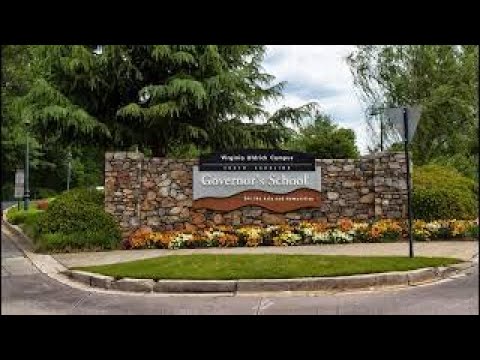
Governor's School board reviews consultant strategic plan, urges clearer timelines and measurable goals
Summary
A consultant presented a draft strategic plan that centers on student learning, student wellness and statewide access. Board members praised the process but pressed for more specific initiatives, monitoring metrics and a board-level ‘moonshot’ vision ahead of September decisions.
Martha Greenway of Greenway Associates presented the Governor's School for the Arts and Humanities' draft strategic plan, describing a three‑phase process of analysis, strategy development and implementation planning and identifying three strategic themes: residential student learning experience, residential student wellness, and statewide awareness and access. The consultant said teams had developed 20+ strategic initiatives and that several would launch first with detailed action plans.
Greenway told trustees the plan aims to demonstrate the school's statewide return on investment and to broaden access by strengthening partnerships and distributing programs beyond the residential campus. She said stakeholder input — from students, alumni, faculty, referring educators and the foundation — informed the priority outcomes and the initiatives selected for the first implementation stage.
Board members welcomed the emphasis on outcomes and stakeholder engagement but urged stronger specificity in the initiative timelines and clearer monitoring. Trustee Irv Welling urged the board to identify a higher‑level “moonshot” or aspirational goal to guide resource alignment. Several trustees said many initiative descriptions currently read as further assessment tasks and asked staff to convert assessment items into concrete next steps with measurable milestones.
Greenway and trustees discussed implementation risks. The consultant said the most common reason plans fail is weak implementation: initiatives must have named sponsors, realistic timelines and regular progress reporting. She recommended that the board require periodic updates from initiative sponsors and be prepared to remove blockers — including requests for resources or legislative assistance — that staff cannot fix on their own.
Trustees agreed to schedule a focused virtual session before the September meeting to refine board-level vision and monitoring expectations. The board also asked staff to bring more specific initiative timelines and to prepare a concise impact summary that can be shared with state legislators and other stakeholders.
The board did not take a formal vote on the plan at the meeting; the document remains a draft to be edited by the school and returned to the board after the summer for final review.