Get Full Government Meeting Transcripts, Videos, & Alerts Forever!
Get email alerts on the Bylaws And Procedures topic
No spam. Unsubscribe anytime.
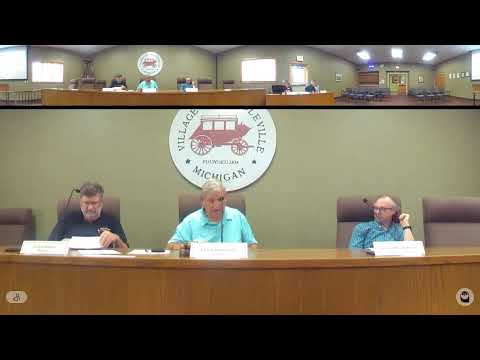
Middleville Zoning Board elects Steven Baldry as secretary, moves to revise bylaws on meeting schedule and minutes
Summary
The Middleville Zoning Board of Appeals elected Steven Baldry as secretary and agreed to pursue bylaw changes to move from set January/July meetings to a ‘January and as needed’ schedule, clarify who prepares minutes and tighten minute‑approval timing to address appeal windows.
The Middleville Zoning Board of Appeals voted to elect Steven Baldry as its secretary and agreed to pursue revisions to its bylaws aimed at changing the board’s meeting schedule and clarifying how minutes are prepared and posted.
The board, which established a quorum at the start of the meeting, approved the motion to make Baldry secretary by voice vote. ‘‘No, it’s fine. I’ll do it,’’ Baldry said after the nomination, accepting the position. Members then turned to a scheduled review of the ZBA bylaws.
Board members discussed removing the standing July meeting and adopting a practice of meeting in January and otherwise ‘‘as business needs,'' arguing that a more flexible schedule would reduce unnecessary meetings while still preserving the January election of officers. Staff cautioned that any additional meeting to approve minutes or act on business would have to be publicly noticed under open‑meetings rules.
Rhonda, the board’s staff recording and records contact, outlined the board’s current practice for minutes: draft minutes are posted online (with a stated target of eight business days to post draft minutes) and approved minutes are posted within five business days after signoff. She also noted that posting drafts online can satisfy public records requests by directing requesters to the website.
Members raised a related concern: the timing of minute approval has implications for the statutory appeal window. Staff and members discussed whether the bylaws should specify a short follow‑up meeting within 30 to 45 days after any meeting with substantive business so approved minutes would be available should someone appeal a ZBA decision. The board asked the village attorney to draft precise bylaw language to present at the January meeting and to confirm whether a bylaw amendment or merely a consistent practice would satisfy open‑meetings and notice requirements.
The members also reviewed Section 5 of the bylaws about minute preparation. Several members said the text should be revised so the bylaws reflect current practice—staff (recording secretary) prepares the minutes and the elected secretary reviews or approves them—rather than implying the elected secretary must produce the draft.
On procedural matters related to hearings, staff reiterated that certain actions (for example use variances) require specific findings and sometimes a supermajority; if a petition is denied the petitioner often must wait an ordinance‑specified period (members cited about 90 days) before filing again. Members also discussed site visits and were reminded that unscheduled or unannounced site visits risk improper ex parte communications and may need to be arranged to avoid off‑the‑record conversations.
The board closed the discussion by asking staff to work with the attorney on draft bylaw language to present at the January meeting and to bring the proposed text to the village council if a formal amendment is required. The meeting adjourned by unanimous voice vote.