Get Full Government Meeting Transcripts, Videos, & Alerts Forever!
Get email alerts on the District Finance topic
No spam. Unsubscribe anytime.
Auditors give Mt. Pleasant district a clean opinion; board hears budget and bond updates
Summary
The Mt. Pleasant City School District received an "unmodified" (clean) audit opinion for the most recent fiscal year. Auditors reviewed the district's general fund, capital project activity and federal grant testing; board members asked about tribal grants, bond spending and the district's pension liability.
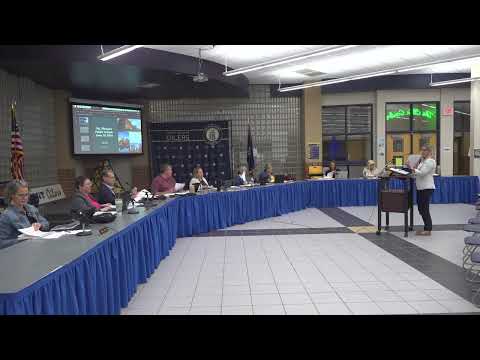
The Mt. Pleasant City School District Board of Education on Oct. 21 received a full presentation of the district's annual audited financial statements, and the external auditors reported an "unmodified" opinion, the highest level of assurance an auditor can give.
The audit partner presenting the report said the unmodified opinion means "there's no material modifications that need to be made to those financial statements," and walked the board through highlights including the general fund, capital project funds and federal grants. The auditor said the district's general fund showed about $24.8 million in assets, including roughly $10 million in cash and a reported general fund balance of about $15.7 million. The district has active capital project funds tied to approved bond work and was spending down prior bond proceeds as projects proceeded.
Why it matters: A clean audit is a routine but important check on district finances. The audit provides assurance to the board, taxpayers and bondholders that the district's financial statements are materially correct and that major programs meet compliance requirements.
Board members pressed the auditor on a number of specifics. The presentation noted two capital project funds with significant activity, federal expenditures of about $8.6 million with a tested sample of just over $4 million, and a reported pension-related liability of $72.7 million on the district-wide statements. The auditor also described the work on internal controls and said no material weaknesses or significant deficiencies were identified during the procedures.
The auditor flagged a few significant accounting estimates—capital-asset useful lives, the net pension liability and other post-employment benefit assumptions—and described recent guidance on subscription-based information-technology arrangements and lease accounting. The board asked about bond spending timelines and was told that, for example, bond proceeds are typically expected to be substantially spent according to the project schedules and that auditors sample expenditures to confirm they align with voter-approved uses.
Next steps: The board voted to accept the audited financial statements during the consent agenda. Staff and the board indicated they will continue monitoring capital project spending, tribal and federal grant drawdowns, and pension-related disclosures as the district finalizes budgets and project timelines.