Get Full Government Meeting Transcripts, Videos, & Alerts Forever!
Get email alerts on the Beach Safety topic
No spam. Unsubscribe anytime.
Resident urges council to act after drownings; officials refer beach safety to operations committee
Summary
A Seaside Park resident told the Aug. 21 council meeting that recent drownings and after‑hours swimming are alarming; council members said the beach operations committee will study possible responses, including longer lifeguard coverage and signage, while noting legal and enforcement constraints.
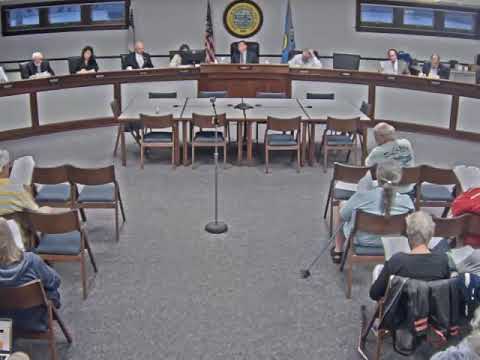
At the Borough of Seaside Park’s Aug. 21 meeting, resident Claire Ziza urged the council to address what she described as a surge in after‑hours swimming and a series of drownings on the Stockton Avenue side of the beach.
"I'm here today for some concerns ... about the drownings and what's happening at the Stockton Avenue side of the beach," Claire Ziza said, identifying herself for the record. She said people are entering the water after lifeguards leave at 5 p.m., that social media encourages late‑night swimming because Seaside Park remains open 24 hours, and that the result has been multiple rescue responses from police, fire and rescue teams. "It's really a little despicable," she said, calling for the borough to consider regulatory or operational changes to reduce risk.
Council members and staff acknowledged the concern but said options are constrained by the borough's municipal beach access plan, which must be consistent with state requirements. A borough speaker noted the rules and regulations governing the beach are part of an access plan that requires review; council members indicated the beach operations committee — which they said will convene to examine hours, signage and enforcement — will be the first step in developing recommendations. Several council members expressed reluctance to "lock the beach," citing the borough's recreational activities at night and concern about legislating broad limits on public access.
Mike Pipino, another resident, asked whether red flags remain posted overnight during dangerous surf. Council representatives said that in recent red‑flag conditions the flags remained posted into the evening and would remain up 24 hours during the current period of hazardous surf to alert beachgoers.
The council did not adopt any immediate ordinance or enforcement change at the meeting; instead, members said the beach operations committee will study practical options (including possibly extending lifeguard hours) and present findings at a future work session or council meeting for further discussion.
Claire Ziza's comments illustrate strong local concern about after‑hours beach safety and prompted a formal referral to the council committee that oversees beach operations. Residents seeking formal responses should expect the committee to report back before any regulatory proposal is drafted.