Get Full Government Meeting Transcripts, Videos, & Alerts Forever!
Get email alerts on the Facility Lease topic
No spam. Unsubscribe anytime.
After heated debate, Troy council approves six-year lease with youth hockey group for Nick Ice Arena, 4–3
Summary
Council approved a six-year lease/license with the Troy Albany Youth Hockey Association to operate the Nick Ice Arena, authorizing up to $250,000 in tenant improvements and 30 exclusive hours per week; vote was 4–3 after council members raised concerns about short review time and the financial valuation of exclusive hours.
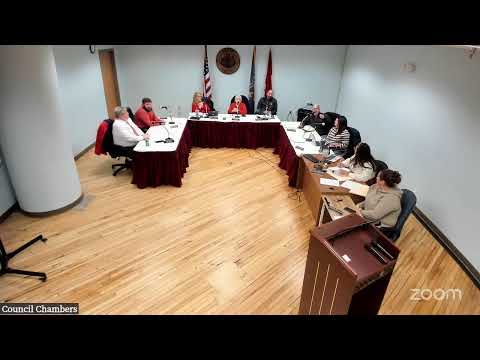
The Troy City Council on July 6 approved Resolution 159 authorizing the mayor to enter a lease and license agreement with the Troy Albany Youth Hockey Association (TA/TEA) to operate the Nick Ice Arena and recreation facility, following extended debate over financial terms and community access.
The draft agreement presented to council granted TA a non‑exclusive but effectively prioritized allotment of 30 hours per week of ice time and called for TA to invest up to $250,000 in facility improvements (the parties agreed the improvements must be completed by the end of the fifth year). The contract included a $500‑per‑month utilities contribution from TA and provisions for a minimum number of community events; council members discussed increasing community events from six to a minimum of 12 during negotiation.
Steve KZ, identified in the meeting as president of the Troy Albany Youth Hockey association, described programming and community benefits including scholarships, equipment drives and volunteer coaching. “We do equipment swaps, we scholarship families,” Steve KZ said when asked whether the organization would help make hockey accessible for low‑income families.
Several council members expressed strong reservations about the financial fairness of the deal. Council Member Vera said the 24‑hour review window for a six‑year agreement was insufficient and objected to the fiscal terms. “The fiscal impact of this agreement I do not believe is in the best interest of the taxpayers of Troy,” Vera said. Other members pressed staff to explain why TA had already purchased dasher boards before a council action; corporation counsel said the boards were purchased “at [TA’s] own risk” and the city would credit proof of those expenditures if the contract is approved.
Council Member Casey, noting the value of prime evening hours for ice time, said the city could be foregoing substantial revenue by granting the bloc of hours in the agreement but also acknowledged the county’s $2 million contribution and the value of getting the dormant facility reopened quickly. Supporters argued the partnership will activate the facility and expand youth access, while critics said the city needed more time to negotiate greater financial return or clearer conditions.
The council voted 4–3 to approve the resolution. Following the vote, council members recorded diverse next steps: administration will finalize non‑material contract edits through corporation counsel, coordinate completion timelines for TA’s improvements, and oversee scheduling for community access and staff hires to operate the facility.
What happens next: Contract finalization and monitoring of TA’s improvements; staff to follow up on procurement and documentation for purchased equipment and to report back on community‑access scheduling.