Get Full Government Meeting Transcripts, Videos, & Alerts Forever!
Get email alerts on the Affordable Housing topic
No spam. Unsubscribe anytime.
Bernardsville council introduces $2.57 million bond ordinance to advance scattered-site affordable housing; blasting plan raises resident questions
Summary
The Bernardsville Borough Council introduced Bond Ordinance 2025-2023 to authorize roughly $2.57 million in bonds to fund site work for a developer building scattered-site affordable housing. Councilors described negotiated cost reductions; residents asked detailed questions about proposed controlled blasting and monitoring.
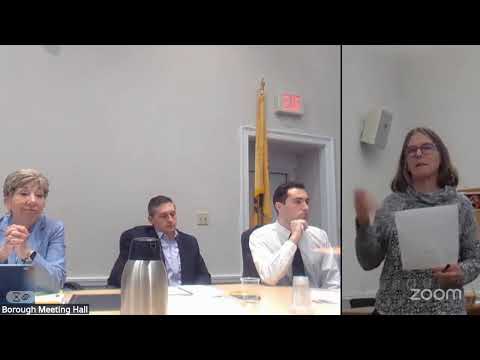
Bernardsville’s borough council on May 27 introduced a bond ordinance authorizing the issuance of about $2.57 million in bonds or notes to fund site work tied to an affordable housing project. The ordinance (2025-2023) would appropriate up to $2.7 million and schedule a public hearing at a future meeting.
Council members and staff described the project’s history: in 2017–18 the borough opted to support scattered-site affordable developments and initially expected a borough contribution of about $1.94 million. That figure rose over time because of inflation and unexpected site conditions; after negotiations and plan changes, officials said the borough’s shortfall has been reduced to roughly $2.64 million. Staff credited work with the developer (identified in the record as RPM) for lowering the borough’s requested contribution from an earlier $5 million figure to the current amount.
Nancy (a council member) summarized cost-saving steps the developer proposed, saying changes in exterior materials and a targeted demolition approach together would reduce the shortfall by about $1.5 million compared with the earlier request. She explained that targeted demolition would split rock on a constrained site by using controlled blasts placed in drilled holes; the contractor would cover holes, activate warning sirens, and conduct pre-construction surveys and vibration monitoring at the nearest structures. Residents within 200 feet of the site would be notified by certified letter in advance and given options for text or phone alerts; the borough said it would also post schedules on its website and social channels and provide at least one-hour notice on blast days so people could prepare pets or take other precautions.
Several council members emphasized that blasting would be regulated and monitored and that the contractor is required to be insured and to comply with state standards. The transcript’s technical vibration figures were unclear; councilors repeatedly said monitoring would be in place and that state rules would govern acceptable limits.
Resident commenters raised safety concerns about nearby infrastructure, including a sewer line across the street, and asked what inspections would be performed to protect municipal utilities. Council staff responded that pre-construction surveys and ongoing monitoring were planned and that the borough would require contractor safeguards; they did not provide additional technical inspection details during the meeting.
On funding, officials noted the borough already holds an affordable housing trust balance (discussed during public comment at about $1.1 million) and that bonding now would allow the borough to secure funds up front while preserving flexibility: unused demolition contingency could be returned to the borough and other contributions from future projects could offset the bond amount.
Council moved the ordinance on May 27; the motion carried with one abstention from a council member who said the abstention was required because of an employment conflict related to bond issuance. The ordinance was introduced and a public hearing and further vote will be scheduled per normal notice requirements.
What’s next: The council scheduled the required public hearing and will take a final vote at a future meeting after public comment and any required planning or regulatory reviews.