Get Full Government Meeting Transcripts, Videos, & Alerts Forever!
Get email alerts on the State Transportation topic
No spam. Unsubscribe anytime.
State panel: California faces roughly $215 billion 10‑year transportation shortfall; road‑usage charges among options
Summary
California’s transportation needs report shows roughly $756 billion in 10‑year needs versus about $572 billion in revenue, leaving an estimated $215 billion shortfall; state and industry representatives urged exploring mixed funding — including kilowatt‑hour taxes and road‑usage charges — while flagging equity concerns for rural communities.
Bob Tiffany, a commissioner with the California Transportation Commission, presented the commission’s 2025 10‑year needs assessment and framed a stark fiscal picture for the state’s multimodal system.
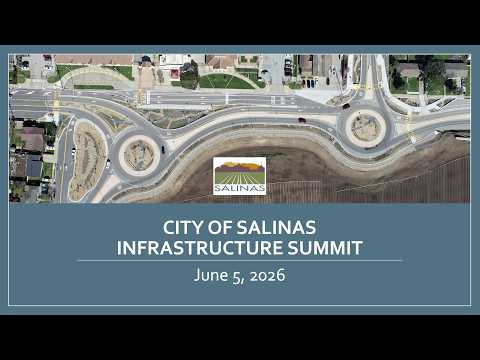
"Bottom line, what they determined over a 10‑year period [is] a needs of just over $750,000,000,000," Tiffany told the Salinas audience. He compared needs to projected revenue of about $572,000,000,000 and said the resulting shortfall (including an estimated $31.1 billion effect from declining fuel consumption) will force difficult choices about maintenance and project timing.
Kiana Valentine, executive director of Transportation California, walked the room through evaluation principles for replacement revenue mechanisms and put three options at the top of the policy table: keep the gas tax and add a kilowatt‑hour tax for electric charging, replace the gas tax with a per‑mile road‑usage charge, or pursue a mixed model. "Road charge doesn't care what kind of fuel you're using. It's based on usage," she said, arguing it is the fairest user‑pay approach in policy terms while acknowledging political and operational challenges.
Panelists emphasized equity tradeoffs. Valentine said registration and flat fees are politically simple but inefficient and inequitable for heavy rural users and super‑commuters; Tiffany warned that without robust replacement revenue some maintenance and local street projects will be deferred. Both urged careful design to avoid imposing disproportionate burdens on agricultural and rural communities.
The panel did not identify an immediate legislative vehicle; both speakers stressed further study and outreach will be needed. For local governments, the practical implication is to consider how different revenue approaches would affect county and city street budgets and eligible grant matches.
Next steps for Salinas: monitor state policy debates, engage with regional transportation agencies on revenue scenarios, and prepare data and pilot‑ready projects that could be funded under possible new mechanisms.