Get Full Government Meeting Transcripts, Videos, & Alerts Forever!
Get email alerts on the Alcohol Regulation topic
No spam. Unsubscribe anytime.
St. Clair aldermen exempt city from state’s extended World Cup liquor hours
Summary
The St. Clair Board of Aldermen approved ordinance 2258 (from bill 2026-09) to exempt the city from RSMO 311.2026, which would have temporarily extended liquor-by-the-drink hours during the 2026 FIFA World Cup (June 11–July 19). The board said it does not want extended hours past 1:30 a.m.; the transcript does not record a detailed roll-call tally.
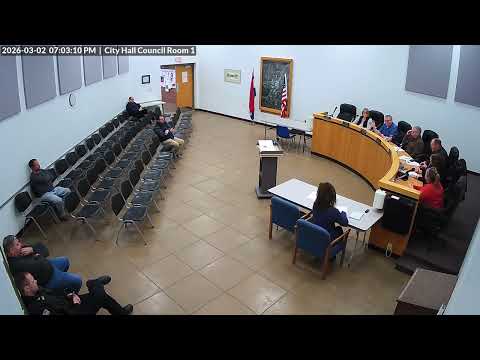
The St. Clair Board of Aldermen on March 2 approved an ordinance exempting the city from a state law that would temporarily extend liquor-by-the-drink sales hours during the 2026 FIFA World Cup.
The measure, introduced as bill 2026-09 and enacted as ordinance 2258, asks the city to opt out of the temporary hours authorized under RSMO 311.2026 for the World Cup, scheduled June 11–July 19, 2026. An administrator explained the change and said the city does not want extended sales to run past 1:30 a.m. “We don't want it to go past 1:30 a.m.,” the administrator said during the discussion.
Why it matters: The state authorization gives cities the option to extend hours for a large event drawing statewide and international visitors. By adopting the exemption, St. Clair keeps local liquor sale hours more restrictive than the state allowance during that period, a decision that affects bars, restaurants and event operators.
What the ordinance does: According to the bill language read into the record, the ordinance exempts the city from the temporary extended liquor hours authorized in RSMO 311.2026 for the 2026 FIFA World Cup and establishes an effective date. The transcript records the introduction of bill 2026-09 and a motion to approve; after a roll call the presiding officer stated the motion carried and that bill 2026-09 became ordinance 2258. The transcript does not show a detailed vote tally or the ordinance’s effective date.
Discussion summary: The administrator framed the change as an opt-out from state authorization, saying several other cities were seeking similar exemptions. The discussion in the record included a difference of view on morning opening hours (the mayor and the administrator described different understandings of a 5:00 a.m. versus 6:00 a.m. opening), but both speakers said they opposed allowing sales past 1:30 a.m.
Next steps: The ordinance was declared adopted in the meeting; the transcript does not record any required follow-up reports or implementation instructions and does not list the precise effective date in the spoken record.