Get Full Government Meeting Transcripts, Videos, & Alerts Forever!
Get email alerts on the Budget Millage topic
No spam. Unsubscribe anytime.
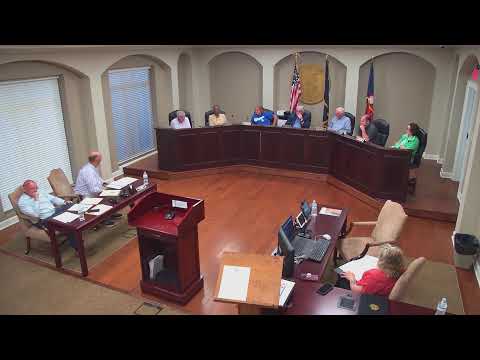
Clifton officials propose 10.1‑mill property‑tax increase in budget workshop
Summary
City staff proposed using 10.1 mills from a carry‑forward millage bank to shore up the general fund, estimating roughly $60 a year for a $250,000 home and citing rising insurance and other costs that officials said leave few alternatives.
City staff proposed a 10.1‑mill increase to property taxes during a Clifton budget workshop, framing the step as necessary to close a growing gap between revenues and rising costs.
"So this year what the proposed plan is we're going to increase mills by 10.1 mills," said Carl Stevens, the staff presenter, explaining the proposal relies on millage authority carried forward from prior years. Stevens said the package would raise roughly $170,000 in current property‑tax collections and — after homestead and other credits — amount to about $60 a year for owners of a $250,000 house.
Stevens told council the city also expects revenue gains from commercial properties and new construction, and that he had sized vehicle‑tax and permit lines conservatively. He said other pressures — notably a roughly $155,000 jump in workers' compensation and general‑liability premiums — make modest tax increases hard to avoid.
Several council members pushed back on the size of the increase. One member said a $60 annual rise "is significant for a citizen" and urged deeper internal cuts rather than placing the burden on residents. Stevens and the Chair responded that headcount is being held steady, the budget includes only the state‑mandated 2.63% cost‑of‑living adjustment and small merit pools, and that many capital and insurance costs cannot be absorbed without service reductions.
The discussion included specific tradeoffs Stevens said had been made: splitting several managers' salaries across funds, holding most capital purchases to a minimum, and using reserve and one‑time receipts where appropriate. He also warned that without additional revenue or near‑term growth the city faces risks to debt coverage and ongoing service levels.
The workshop contained no vote on the millage. Stevens said a more detailed summary sheet of proposed increases and cuts would be provided ahead of the council's Monday meeting to allow members to validate assumptions against recent actuals. The council scheduled further budget review rather than taking immediate action.