Get Full Government Meeting Transcripts, Videos, & Alerts Forever!
Get email alerts on the Property Taxes topic
No spam. Unsubscribe anytime.
Acworth mayor and board hold hearing, staff says millage rate will remain 8.95 mills amid resident confusion over notices
Summary
City staff told a packed public hearing the proposed millage rate will stay at 8.95 mills and explained why state-required notices can read like a tax increase; residents pressed officials about assessment spikes, appeal costs and communication gaps. The board closed public comment and moved to executive session.
Acworth City staff briefed residents at a public hearing on the proposed millage rate, saying the city plans to keep the millage at 8.95 mills and will consider the final rate at upcoming hearings on July 16.
The city presenter told the mayor and board that the advertised notice residents received — which can say a 'tentative increase' and show a lower rollback number — is required by state law and can be confusing. "The millage rate is not being proposed to be increased in the city of Acworth," the presenter said, explaining that higher total tax collections can result from new growth, resale of properties and reassessments of non-homestead properties rather than a rate increase.
Why residents see different numbers: staff described the rollback calculation used in required advertisements. That calculation shows what millage rate would be needed to produce the same total revenue as the prior year; if property values or taxable digest grow, the rollback rate can appear lower than the current rate even when the city proposes to keep the rate unchanged.
Several residents asked for clearer communication. Clint Faribaugh, a resident, said a mailed notice listed a 'tentative increase' and a rollback figure of 8.569 mills and asked the panel to include the rollback number in explanatory materials. The city presenter and a board member explained the two required advertisements and the math staff uses to compute the rollback figure.
Homeowners' protections and appeals: staff used sample property valuations and the city's floating homestead-exemption example to show that homeowners who have filed a homestead exemption will not see increased city taxes unless the board raises the millage rate. The presenter also described the additional $4,000 senior exemption for residents aged 62 and older and walked through example calculations of annual city tax amounts.
A resident, Yvonne Leander, said her home's assessed value jumped by 34% (from $618,000 to $829,000) this year and questioned lot valuations and the credibility of third-party appeals firms that charge a percentage of savings. The mayor and staff explained the county appeal process, warned that appeals can be lengthy and offered to meet with her after the hearing.
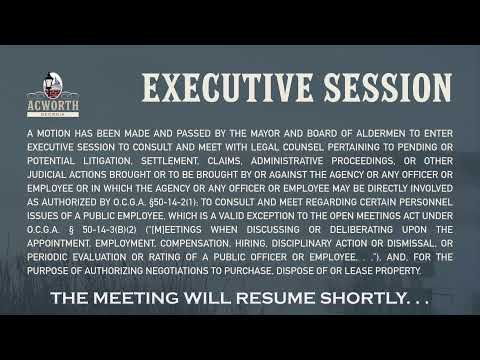
Next steps and procedure: city staff noted tonight was the first of three state-required public hearings; two hearings are scheduled on July 16 (9 a.m. and 7 p.m.), when the mayor and board will consider a final millage rate. The board closed public comment, briefly recessed to an executive session for legal and personnel matters and then adjourned.
No formal change to the millage rate was adopted at the hearing; the board will take a final vote at a later meeting as required by state law.