Get Full Government Meeting Transcripts, Videos, & Alerts Forever!
Get email alerts on the Mckinley Overlay topic
No spam. Unsubscribe anytime.
Council adopts McKinley Neighborhood Overlay to guide redevelopment
Summary
The council approved Ordinance 13‑26 establishing a McKinley Neighborhood Overlay district with tailored design standards and a review committee; proponents cited broad neighborhood support, plan‑commission unanimity, and letters of endorsement from city leaders.
The Muncie City Council voted July 6 to adopt Ordinance 13‑26, creating the McKinley Neighborhood Overlay District, a package of tailored design standards and a local review process intended to guide future development in six sub‑areas of the McKinley neighborhood.
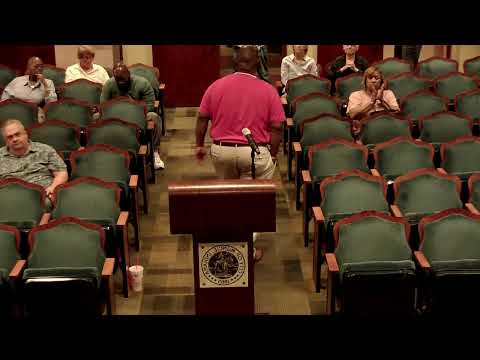
Planning staff and neighborhood advocates described the overlay as a tool to implement a previously adopted master plan and design guidelines, emphasizing front porches, pedestrian‑friendly streetscapes, consistent materials, and a more predictable review process for developers. Rebecca Hannah, a realtor and neighborhood advocate, said the overlay was developed through collaboration among residents, business owners, developers and planning experts and is intended to "close the gap between the vision the neighborhood already has and the tools needed to implement it." Joe Robertson and other presenters outlined the overlay’s six distinct areas and stressed that the ordinance is intended to preserve existing investment while providing flexibility where appropriate.
Kylene Swackhammer of the planning commission summarized the plan‑commission review and described 21 letters of support and an 8‑0 favorable recommendation. Bill Inman read letters of support from the mayor and the acting director of the Muncie Redevelopment Commission, which cited enforceable design standards incorporated into ongoing economic development agreements.
Council members weighed questions about impacts on public institutions (schools and the YMCA) and parking standards; presenters said the overlay would reduce some parking requirements in defined cases (one example cited: a ~30% reduction for certain field‑house additions) and that staff had consulted local stakeholders to minimize unintended consequences. After public comment in support from neighborhood leaders and developers, the council suspended its rules and approved the ordinance by roll call.
Next steps: the ordinance establishes a McKinley Neighborhood review committee and will be implemented through the city’s development review process; planning staff said they will provide the council and public with the final ordinance language and supporting materials.
Quote: "The purpose is not to start over — the purpose is to close the gap between the vision the neighborhood already has and the tools needed to implement it," Rebecca Hannah said during the presentation.