Get Full Government Meeting Transcripts, Videos, & Alerts Forever!
Get email alerts on the Historic Preservation Ordinance topic
No spam. Unsubscribe anytime.
Springfield Historic Commission endorses revised preservation ordinance with $1,000 third-party application fee
Summary
The Springfield Historic Commission voted to endorse a revised historic-preservation ordinance that creates two nomination pathways, allows the commission to find local historic significance, and establishes a $1,000 application fee for third-party-initiated nominations; the measure will go to city council for further hearings.
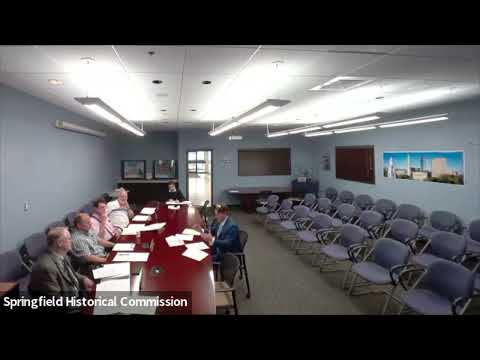
The Springfield Historic Commission voted on June 24 to endorse a rewritten historic-preservation ordinance that creates two pathways for designations and introduces a $1,000 application fee for nominations initiated by third parties.
The law clerk for the commission summarized the draft and the revisions at the start of the meeting, saying staff had forwarded a consultant—s draft to the law department and that two major sticking points were single-building districts and who would pay for required reports. The staff proposal would let third-party nominees proceed through the nomination process without requiring listing on the National Register, while preserving the commission—s authority to make local findings of historic significance.
The proposal includes a $1,000 flat application fee for third-party nominations, intended to cover consultant or staff review costs. "This fee is in line with some of our other fees that we have here in the city," the law clerk said, while acknowledging that the actual cost of a full report could be higher and would fall to the city if the fee did not cover outside consultant costs.
Several commissioners questioned whether the $1,000 fee would create an unfair barrier for homeowners. "I think that this is raising the bar too high," the Chair said, arguing the cost could deter residents who are not operating from a commercial perspective. Commissioners discussed alternatives including fee waivers, cost-sharing among neighbors, preservation restrictions recorded on deeds, and noting that if the commission itself brings an item forward there would be no fee.
Commissioners also debated the vote threshold required for approving single-building or small districts. The draft had included a supermajority requirement in some cases; discussion centered on whether a two-thirds threshold is practical given typical attendance and how that would affect the commission—s ability to act. The law clerk said the proposal sought to balance a careful standard with operational flexibility under the referenced state authority.
Members reviewed enforcement language in the draft ordinance as well. The text currently includes a tiered fine structure listed as "not less than $10, not more than $500"; several commissioners recommended a higher minimum and a tiered escalation to provide a meaningful deterrent.
During public comment, Kira Holmes, representing the Springfield Preservation Trust, read the trust—s letter and said the group opposes the proposed application fee and warned that state and federal offices can be slow to respond to third-party inquiries, which complicates the nomination path under the proposed rules.
After discussion, a motion to endorse the ordinance with four proposed amendments (striking the first sentence in the purpose paragraph, reducing certain vote thresholds from supermajority to simple majority, adding "historic and design" language, and clarifying submission requirements and guidelines) was made and seconded. The commission voted to endorse the ordinance; staff said the item will be referred to the city council and relevant subcommittees for at least two additional hearings before any council action.
Next steps: the commission will forward the endorsed draft and the recommended amendments to city council for review and further public hearings. The ordinance as endorsed does not become law until council consideration and any subsequent council votes.