Get Full Government Meeting Transcripts, Videos, & Alerts Forever!
Get email alerts on the Affordable Housing topic
No spam. Unsubscribe anytime.
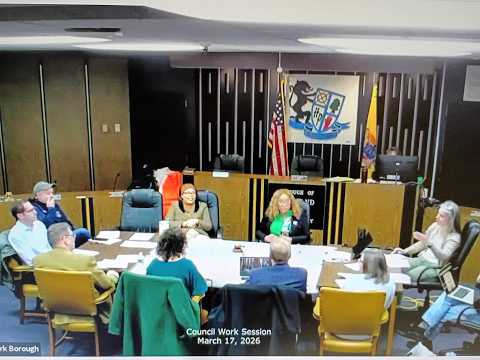
Council weighs state model affordable‑housing ordinance and delays residential fee decision
Summary
Council reviewed a draft ordinance adapted from the state's DCA model. Members agreed to introduce a minimal compliant ordinance if required but postponed a new residential development fee (0.5–1.5% was discussed) pending more data and legal guidance.
Highland Park councilmembers spent substantial time reviewing a draft affordable‑housing ordinance adapted from a Department of Community Affairs (DCA) model. Staff and outside counsel had integrated borough language into the template and flagged several elective provisions and procedural changes that would require council direction.
Presenter (staff) said the draft contains administrative updates and land‑use provisions that will need planning‑board review; the presentation highlighted decision points such as whether penthouse exemptions should be treated "may" versus "shall," and whether the borough wants flexible case‑by‑case authority in redevelopment negotiations. "We're following the model, but there's a lot of minutia," the presenter said.
Residential development fee debate: one substantive policy discussion focused on whether to impose a residential development fee (a mechanism that charges new residential construction a percentage that funds local affordable‑housing programs). Staff described a possible fee range (0.5%–1.5%) and noted exemptions for owner‑occupied construction are possible. Councilmembers raised concerns that such a fee could affect small starter homes and requested data on what the fee would have generated from recent projects.
Decision and next steps: councilmembers agreed to defer setting a residential development fee now and to return with more analysis and legal guidance. The presenter said the borough may need to introduce minimal ordinance language soon if state or court timelines require it; staff committed to clarifying that immediacy with counsel and to removing the fee from any ordinance that must be introduced this week. Council also asked staff to follow up with attorneys on the fractional‑unit/rounding rules in the model ordinance to determine whether the borough should require rounding up or accept fractional payments into a trust fund.
Why it matters: the ordinance governs how Highland Park meets court‑ordered affordable‑housing obligations and how the borough can fund rehabilitation and program administration without relying entirely on outside grants. Councilmembers emphasized balancing developer incentives, affordable‑housing obligations and local impacts.
Ending: staff will confirm whether the minimal ordinance must be introduced at the next meeting and will provide the requested legal clarifications and fiscal estimates before the council votes on any fee or additional, non‑mandatory provisions.