Get Full Government Meeting Transcripts, Videos, & Alerts Forever!
Get email alerts on the Budget topic
No spam. Unsubscribe anytime.
Highland Park reviews 2026 budget, flags pension, police pay and tree care as top cost drivers
Summary
Borough staff walked the council through the draft 2026 budget, which shows a 3% increase in appropriations (4.1% on the municipal levy) net of grants, driven mainly by retirement contributions and police wages; the administration proposed adding one full‑time firefighter and boosted tree maintenance and capital spending plans.
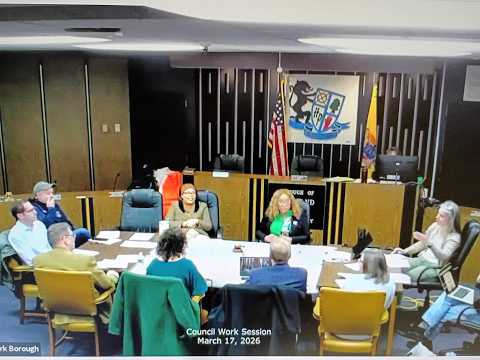
The Highland Park Borough Council held a work session to review the administration’s draft 2026 municipal budget and the capital plan. Borough staff presented a summary packet with tax calculations, revenue assumptions and department highlights, and asked councilmembers to return comments before the formal budget introduction next week.
The administration said total appropriations, excluding grant revenues, are up roughly 3% from last year — about $600,000 in net increased spending — and the municipal levy would rise about 4.1% under current assumptions. Presenter (staff) told the council the two largest components of that increase were an annual mandatory payment to the police and firefighters’ retirement system (up approximately $189,000) and higher police salary and wage costs (about $123,000). "If you net out grants, total appropriations are up 3%," the presenter said, calling the pension and wage items the largest single drivers.
Why it matters: the levy increase affects most homeowners directly, and councilmembers pressed the administration on assumptions for school and county levies — both of which are factored into the tax‑rate calculation but set by separate bodies.
Public safety and personnel: the administration proposed adding a full‑time firefighter and adding a weekday shift for a part‑time worker to reduce overtime and improve response capacity. Staff estimated the incremental cost at roughly $80,000, partially offset by lower overtime. Council discussion focused on operational benefits and whether the overtime savings would materialize in the near term.
Trees and public works: councilmembers raised concerns about aging street trees and sidewalk damage. Staff said the budget includes money to fund more regular tree maintenance and tree removals tied to a $160,000 contract line, plus $10,000 for a licensed tree consultant to guide bi‑monthly inspections and plantings. Councilmembers asked for a public education campaign to explain the tradeoffs between preserving mature canopy and public‑safety or sidewalk concerns.
Fleet, equipment and utilities: motor‑pool costs are higher because parts and repairs spiked; staff recommended a fleet inventory and a replacement schedule to demonstrate long‑term maintenance savings and made the case for periodic vehicle replacement. The utility budget, staff said, does not require a rate increase this year; improved meter deployment and reduced purchased water volumes from Middlesex have stabilized costs, though Middlesex Water may still file for an increase later in the year.
Grants and capital: staff flagged a $250,000 legislative aid award (capital grant) and other grant‑eligible items in the capital plan, including sidewalk and ADA improvements. The administration said some capital items are contingent on final vendor numbers and that projects with an asterisk are expected to be supported partly by state grants.
What’s next: this was a work session and no formal vote was taken. Staff will incorporate council feedback and prepare the formal introduction packet for the next meeting. The council asked for follow‑up documentation on the fleet replacement schedule, grant timing, and a refined estimate of levy impact once school and county numbers are finalized.
Ending: the council closed the budget discussion and moved on to other agenda items; the session adjourned after a public‑comment period with no speakers.