Get Full Government Meeting Transcripts, Videos, & Alerts Forever!
Get email alerts on the Human Trafficking topic
No spam. Unsubscribe anytime.
Survivor recounts trafficking experience as Tennessee presentation outlines law and common myths
Summary
A Tennessee presentation reviewed the state law, local trends and common misconceptions about human trafficking; a survivor from Nashville described how addiction led to daily escorting, life in a trafficking house and missed opportunities for earlier intervention.
A survivor of human trafficking described a decades‑long struggle with addiction that she says led to prostitution, escorting and life inside a trafficking house in Nashville, speaking during a Tennessee presentation that outlined the state law and common misconceptions about trafficking.
The presenter, identified in the session as Presenter, cited the Tennessee Human Trafficking Prevention Act and said the law defines trafficking to include "trafficking for servitude, labor servitude, and involuntary servitude." The presenter also cited the Tennessee Bureau of Investigation's 2024 report, saying calls and tips have risen and that "the highest number of victims fall between the ages of 13 and 17."
The session aimed to clarify how trafficking occurs and to correct myths that can obscure detection and response. The presenter listed major categories of trafficking — adult sexual exploitation, minor sexual exploitation (noting any commercial sexual act involving a minor is considered trafficking regardless of coercion) and labor trafficking — and emphasized that trafficking can involve psychological manipulation, threats or financial control rather than physical restraint.
"While physical restraint is one form of control, traffickers often use psychological manipulation, threats, or financial control to dominate their victims," the presenter said, and warned that victims may be trafficked by people they know, including family members, friends or intimate partners.
The survivor, introduced by the presenter as a person with lived experience, said her addiction led her into prostitution and escorting in her late 20s and early 30s and that within a week she was "living in a trafficking house and on a website and escorting every day." She told the audience, "At the time, I did not understand that all of this was human trafficking." The survivor described escorting and related work as a daily routine and urged greater community awareness so interventions could occur sooner.
The presenter also addressed several common misconceptions: that trafficking only involves sexual exploitation (the presenter said labor trafficking is "just as prevalent"), that victims are always abducted (most are recruited by someone they know), that trafficking always crosses borders (it can occur entirely within a community), and that only women and girls are victims (men and boys are also affected but often overlooked).
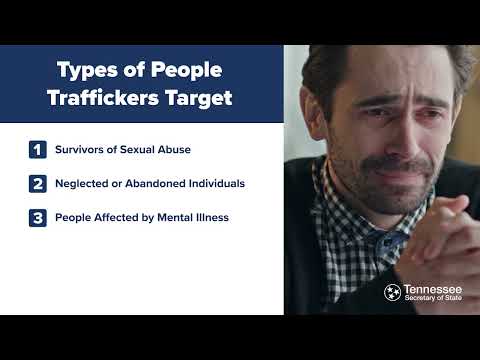
The session identified groups traffickers frequently target: survivors of prior abuse, neglected or abandoned youth including those in foster care, people experiencing housing instability, individuals with mental illness, victims of abusive partners, immigrants and refugees facing language or legal‑status barriers.
The presenter introduced that the next portion of the program would discuss warning signs and indicators of trafficking; the survivor closed her remarks by urging the public to speak up if they notice someone behaving differently: "If you hear something, say something. If you see something, do something," she said.
No formal votes or policy actions were recorded in the transcript of the session.