Get Full Government Meeting Transcripts, Videos, & Alerts Forever!
Get email alerts on the Land Use topic
No spam. Unsubscribe anytime.
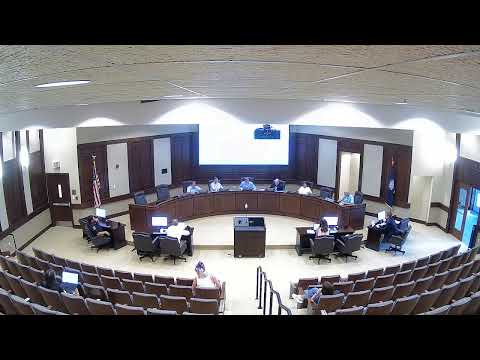
Council rejects Planned Development amendment to flip commercial/residential mix on small Landings parcel
Summary
After public comment and debate about parking and density, the City Council voted 3–2 to defeat a first‑reading amendment that would have changed a planned development’s parcel from 75% commercial/25% residential to the reverse; the planning commission had recommended nonconcurrence.
The City Council on July 6 considered a proposed amendment to the planned development (Ordinance 2026‑14) that would change the permitted mix on a roughly 0.3‑acre parcel near the Landings condominiums, flipping the parcel from 75% commercial/25% residential to 75% residential/25% commercial.
City staff said the change was requested by the landowner to better fit market conditions and would not alter zoning — it would amend the development agreement rather than the city’s zoning code. Staff noted the planning commission had issued a unanimous recommendation of nonconcurrence, expressing concern about residential density in that location.
Lance Cheeley, speaking for the property owner (Savannah Construction), said the owner preferred residential but had not yet provided site plans, citing constraints related to parking and building type. Neighbors and council members raised parking and context concerns; one council member said the parcel’s small size made residential development potentially awkward for the adjacent green space.
Council debate focused on whether the change would skirt the PD’s intent and whether it would create new parking pressures. One council member said residential likely made more sense from a traffic perspective, while others said they were uncomfortable changing the development agreement without clearer assurances the broader PD intent would be maintained.
When called to vote on the first reading, the measure failed, 2 in favor and 3 opposed. The council treated this as a first‑reading action; further submittals or a refiled request could return to the council if the applicant pursues changes.