Get Full Government Meeting Transcripts, Videos, & Alerts Forever!
Get email alerts on the Environment topic
No spam. Unsubscribe anytime.
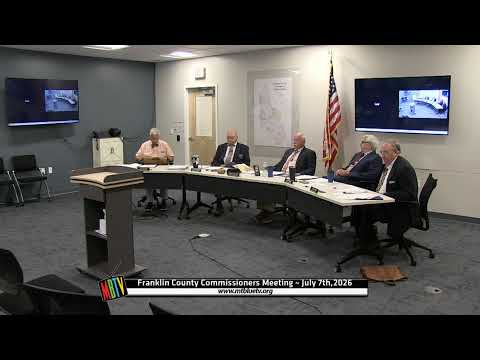
Franklin County backs Dark Sky planning and names commissioner representative
Summary
A coalition seeking a Western Maine Dark Sky reserve briefed the county; commissioners designated a county representative for the planning/steering committee and appointed local economic development participants to help the process move forward.
Presenters from a Dark Sky coalition told Franklin County commissioners the region’s low‑light skies are a conservation and tourism asset that communities can protect and brand for astrotourism. Nancy Charleston introduced the effort and described a proposed Western Maine Dark Sky reserve that would use conserved lands and modified lighting standards to meet Dark Sky International criteria.
Ethan Nitson, speaking for a regional tourism group, said the broader tourism region attracted roughly 2,000,000 visitors in 2025 and that about 2% of those visitors already identify astrotourism as a reason for visiting, an argument commissioners heard as economic rationale for the designation. Presenters emphasized education, small technical tweaks to local lighting lumens and shielding thresholds, and a community‑guided planning process led through LUPC (Land Use Planning Commission) mechanisms for unorganized territories and plantations.
After discussion about ordinance triggers and whether rules would be retroactive, commissioners voted unanimously to designate Commissioner Tom Scofield as Franklin County’s representative to the Dark Sky planning/steering committee and appointed Charles Woodworth and Greater Franklin Economic (the county development group) to serve as county participants.
Why it matters: A Dark Sky designation involves modest changes to lighting standards, coordinated public education, and potential tourism branding that could increase shoulder‑season visits. The county’s participation does not automatically change local ordinances—it commits county staff and commissioners to a planning process that will evaluate the details and outreach needed.
Next steps: The county will provide a named representative and one or more alternates to participate in planning meetings; staff and the presenters will work on a small steering/planning committee and a comparison of current LUPC standards with Dark Sky requirements.