Get Full Government Meeting Transcripts, Videos, & Alerts Forever!
Get email alerts on the Public Comment topic
No spam. Unsubscribe anytime.
Residents urge caution and more analysis as Winchester board debates restructuring
Summary
At the March 10 meeting, scores of residents urged the Winchester Board of Education to slow a proposed restructuring and to require thorough legal and fiscal analysis, warning that rushed decisions could jeopardize special-education services and state funding. Speakers demanded transparency, independent consultants and more time for review.
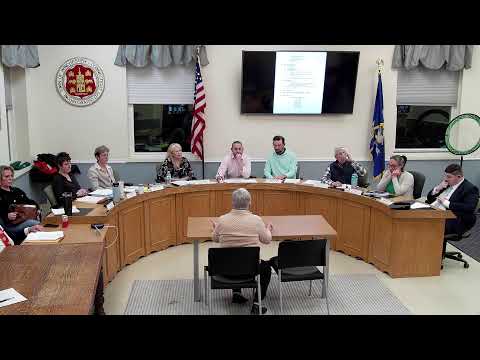
Dozens of Winchester residents used two public-comment periods at the March 10 board meeting to push back against a proposed, expedited study of restructuring options involving the Gilbert School and the district budget.
"A 6 day deadline doesn't show urgency. It shows recklessness," Tyler Asbury told board members, summarizing a common theme: residents want independent analysis, not a hurried timetable. Asbury warned that the motion as written asked for a major restructuring study before the foundational legal and financial groundwork had been done and cited Connecticut statutes and grant risks that, he said, require months of review.
Seth Roy, who identified himself as a Winchester resident, told the board that he believed the district should resist giving Gilbert increased control; he also claimed Gilbert had "lower test scores" and higher costs than Winchester schools. The transcript records a string of other parents and former board members who emphasized compliance with IEPs and the federal obligation to fund special-education services. "If we cut any more funding and we cannot hire additional supports that we really do need, we're going to be out of compliance," Anita Roy told the board.
Former board members and a selectman urged a methodical, community-centered process. Paul Marino, identified in the record as a member of the board of selectmen, said the town should explore options and bring any plans to the selectmen for consideration of funding and oversight. Several speakers recommended using arbitration or explicit contract language to avoid future disputes over tuition and service levels.
Board members acknowledged the public concerns during debate; those objections helped drive the amendment that added a third-party consultant and extended the final study deadline to Sept. 8, 2026. The board did not adopt any substantive structural change at the meeting; members said the study is intended to supply the facts necessary for later decisions.
What happens next: the superintendent was authorized to start identifying consultants and to return with monthly public updates during the study. Residents who spoke asked that the board ensure independent review and clear public reporting as the analysis proceeds.