Get Full Government Meeting Transcripts, Videos, & Alerts Forever!
Get email alerts on the Tobacco Licensing topic
No spam. Unsubscribe anytime.
House committee hears bipartisan bills to require tobacco retail licensure
Summary
The House Regulatory Reform Committee heard bipartisan testimony on a package of bills to require licensure for all retailers that sell tobacco and nicotine products, aiming to shift enforcement onto sellers and protect youth; supporters cited compliance failures, while industry groups warned of costs and limited impact on social sources.
The House Regulatory Reform Committee on Aug. 12 heard bipartisan testimony on a package of bills that would require retailers to obtain a license to sell tobacco and nicotine products and set penalties and training requirements for licensees who sell to minors.
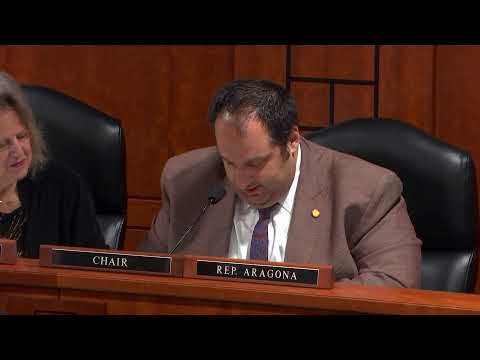
Chair Aragona opened the session and said there would be no votes that day but introduced bills sponsored by Representatives Slawworth, Scott and Young. Representative Slaw (testifying) said the measure would "establish a new licensure for the sale of tobacco products," set fees and penalties for licensees and employees who sell to minors, and place accountability on retailers rather than youth.
Supporters from public-health and youth-prevention groups said licensure is a straightforward compliance tool. Jody Radke, regional director for the Campaign for Tobacco Free Kids, cited state data and specific retailer enforcement failures, telling the committee that Michigan currently has a roughly 25% retailer compliance failure rate and naming repeated violations at businesses including Deering’s Market (Traverse City), a vape store identified as "Bongs and Thongs" (Ann Arbor) and a Detroit Sunoco. "If you sell tobacco, you need a license to sell," Radke said, arguing that licensure would place "accountability where it belongs."
Jeff Griffith of the Youth Connection described the operational benefits: a licensure system would create a single registry so enforcement and prevention partners know "who is selling cigarettes, when and where," instead of manually updating long retail lists. Griffith said his group’s recent checks in Detroit-area communities found high failure rates in some local compliance checks and stressed that licensure would free outreach resources for retailer education.
Co-sponsors Representative Scott and Representative Young told the committee the package removes purchase-use-possession (PUP) penalties for youth and focuses penalties on retailers; Young framed the bills as a health-equity measure, arguing PUP laws have disproportionately affected youth of color.
Industry witnesses urged careful drafting. Drew Beardsley of the Michigan Retailers Association said the association could be neutral if the final licensing model "mirrors existing licensing processes," but also noted survey data that much under-21 access originates from social sources rather than retail counters. Mark Griffin of the Michigan Petroleum Association opposed the bills as drafted, calling the proposed fee structure and enforcement staffing requirements burdensome for already-regulated gas station and convenience retailers; he cited a state study showing minors acquired e-cigarettes at gas stations about 13% of the time and said most access comes from "social sources."
Committee members pressed witnesses on scope and implementation details. Members confirmed the bills cover all tobacco and nicotine products, including evolving analogs and lab-derived nicotine, and that FDA-approved smoking-cessation products would be excluded or treated differently. Witnesses said the license would be annual and location-specific, with routine checks funded through fees; testimony described a recheck process and an enforcement focus on habitual offenders rather than on compliant retailers. Training for clerks and owners to verify identification was described as part of the licensing program.
No votes were taken. The chair read a list of submitted written comments from public-health organizations and industry groups, a motion to excuse absent members was moved without objection, and the committee adjourned.
What happens next: committee staff said they will continue working with stakeholders to refine bill language and address industry concerns about fees and enforcement mechanisms before any vote is scheduled.