Get Full Government Meeting Transcripts, Videos, & Alerts Forever!
Get email alerts on the Conservation District Rates topic
No spam. Unsubscribe anytime.
Spokane Conservation District seeks $5 parcel increase to $15 to shore up wildfire mitigation and restoration funding
Summary
The Spokane Conservation District asked county commissioners to set a public hearing on a proposal to raise its parcel assessment from $10 to $15 (under the state $25 cap) to pay for wildfire mitigation, stream restoration, and administration needed to secure and manage large grants.
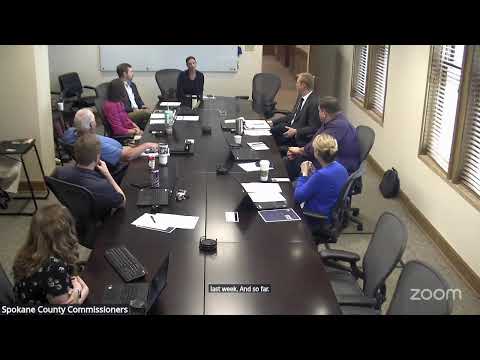
A Spokane Conservation District representative asked the Spokane County Board of Commissioners on July 7 to authorize a $5 increase in the district's parcel assessment, from $10 to $15 per parcel, saying the change would remain below the state cap of $25 and would fund wildfire mitigation, water‑quality projects and the district's administrative work needed to secure and manage grants.
The presenter said the proposal would cover the period starting January 27 through December 31, 2036, and estimated the increase would add about $1 million in annual revenue, taking the district's anticipated annual rates and charges to just under $3 million. "For over 18 years we held our rate at $5; seven years ago we were granted an increase to $10... this would be for the period starting January 27 through 12/31/2036 at a rate of $15 per parcel," the Spokane Conservation District representative said.
District staff told commissioners the assessment dollars are critical because they let the district leverage larger state and federal grants. Since 2021 the district reported it has managed about $53.5 million in awards and loans (the presenter said roughly $20 million of that is loans requiring long‑term payback and $33.5 million is awards or grants). "These dollars are necessary for us just to continue operations and the services that we have," the presenter said, noting that many grants do not cover administrative or long‑term monitoring costs.
Cole, a district staff presenter, said the district has conducted outreach: six public briefings to local city councils, two district public hearings and a third hearing scheduled for July 22. He told the board that public comments so far have been "overwhelmingly positive" when community members learn that the district leverages each dollar into five to nine times that amount in project funding.
A short video shown by district staff featured a landowner testimonial describing streambank restoration work that reduced erosion and increased wildlife at a site in the Dead Man Creek watershed.
Commissioners and staff asked questions about public turnout and metrics for services. District presenters said office hearings had modest attendance but city council briefings drew most comments; they estimated direct in‑person contact and program participation in the thousands (tree sales events exceeding 3,000 attendees, educational conferences with hundreds of participants and tens of thousands of site visitors to the district's scale house market). The presenters emphasized that the assessment is intended to sustain the district's technical workforce that implements projects and to expand wildfire mitigation work, which they said is a top priority.
Next steps explained to the board followed state procedures for establishing a hearing: publishing notices (two consecutive newspaper notices, five conspicuous postings, and an advertising schedule at least five days and two weeks prior to the hearing) and then, if the board is in favor after the public hearing, creating a resolution that would be effective January 1, 2027. The district asked the board to schedule the public hearing and said they would forward written comments collected from outreach to the commissioners for the hearing record.
The commissioners did not take a formal vote at the briefing. Staff said the district will return for the formal public hearing and any resolution the board chooses to consider.