Get Full Government Meeting Transcripts, Videos, & Alerts Forever!
Get email alerts on the Health Insurance topic
No spam. Unsubscribe anytime.
Cromwell board authorizes talks with unions on Connecticut Partnership health plan
Summary
After a detailed briefing from Alara Group, the Cromwell Board of Education voted to pursue discussions with its unions about joining the state-sponsored Connecticut Partnership health plan while limiting contract openings to implementing the plan.
The Cromwell Board of Education voted Tuesday to authorize continued discussions with union representatives about switching the district’s employee medical coverage to the Connecticut Partnership, a state-sponsored plan that uses the Anthem network.
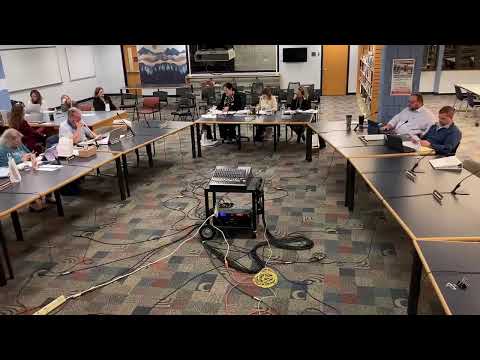
At a meeting dominated by a 90‑minute presentation from the board’s insurance brokers, Carolyn Navarro, senior consultant at Alara Group, outlined three paths: renew with Cigna (the current carrier), transition directly to Anthem, or join the Connecticut Partnership. Navarro said Cigna offered a 1.5% rate reduction and a $50,000 premium credit, while Anthem’s best offer included a 1% premium credit and an option for level funding. The Partnership’s published medical rates would raise the board’s costs by about 23% but produce net savings compared with other options because it replaces the district’s high‑deductible HSA plan with a different design.
Superintendent Dr. Macri told the board that union presidents have signaled interest in getting more information and that administration had scheduled a staff Q&A with Partnership representatives to answer employees’ questions. “This is a huge decision and it ultimately sits in your hands,” the superintendent said, urging board members to ask detailed questions before a final vote.
Board members focused on employee impacts: Navarro said the Partnership would generally lower the district’s premium burden but could raise employee contributions, with estimated increases varying by bargaining unit and tier (Alara cited a projected 32%–43% rise for affected employees depending on coverage tier). Board members also pressed presenters about the Partnership’s Health Enhancement Program (HEP), a wellness component that can impose a $100 monthly surcharge on a family plan if members do not meet preventive-care or chronic-condition requirements. Alara and Partnership representatives said families would have an 18‑month grace period to meet HEP requirements after enrollment, and that the surcharge is assessed at the family level; they offered to confirm final plan language and enforcement mechanics for the board and unions.
Legal and labor considerations were central. Board members repeatedly asked whether adopting the Partnership would require opening collective-bargaining agreements; the superintendent said implementing the Partnership would typically require a memorandum of agreement (MOA) negotiated with affected unions but emphasized that if even one bargaining unit opted not to participate, the Partnership path would not proceed for the district.
After discussion, the board approved a motion — made and seconded during the meeting — authorizing administration to continue conversations with the unions about the Partnership and to limit contract discussions only to implementation of the plan (motion passed by voice vote).
Next steps: the administration will hold the staff Q&A with Partnership representatives, circulate comparative cost sheets to employees and union leaders, and return to the board with MOA language and the unions’ decisions. The board’s vote does not enroll the district in the Partnership; it authorizes further negotiation and information‑gathering.