Get Full Government Meeting Transcripts, Videos, & Alerts Forever!
Get email alerts on the District Budget topic
No spam. Unsubscribe anytime.
Chappaqua board reviews proposed 2026–27 budget; athletics and special education drive key increases
Summary
At a March school board meeting, district leaders presented the 2026–27 budget showing an 11.16% athletics increase, a 5.61% rise in special-education salaries, technology investments and a plan to expand pre‑K; trustees asked for clearer cost tracking and RFP details.
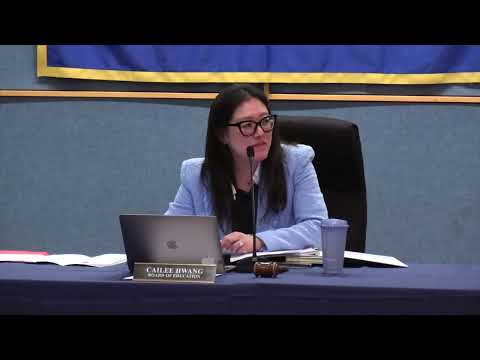
The Chappaqua Central School District Board of Education continued public hearings on the proposed 2026–27 budget on March 5, with presentations that laid out program priorities and spending pressures across athletics, curriculum, technology and special education.
President Wong opened the meeting by praising student achievements and urging the board to keep student supports front‑of‑mind as budget questions are raised. The district’s finance and program leads then presented department budgets and five‑year trends.
Jamie Block, the district athletics presenter, said the athletics budget is rising 11.16% and attributed most of the increase to transportation costs and higher Section/BOCES fees tied to greater participation: “The majority of this increase is right‑sizing the budget to the expenditures that are happening,” Block said. Finance staff noted year‑end projections reduce the budgetary impact to roughly a 6–7% effective increase for the program.
Administrators briefed the board on curriculum priorities — including expanded world language in K–4, literacy pilots and fellowships — and on a planned pre‑K expansion from two to six sections. Officials said most pre‑K costs will be covered by state and federal grants, but that one‑time district setup costs (supplies, furniture, minor classroom build‑out) will likely exceed the $10,000 per‑student setup figure the state has discussed. “We have pushed up our whole process based on our assumption that we will be allocated a certain amount of money from the state ed department,” Dr. Ackerman said, noting the district is holding broader community outreach until legislative action is final.
Technology and security investments also featured in the presentations. District technology staff reported a small overall technology budget increase (0.44%, about $12,000) tied to phased upgrades and device replenishment cycles, and said reorganizing services through BOCES produced more than $1,000,000 in additional aid this year.
Special education staffing and program enhancements account for another budget pressure. Finance staff said special‑education salaries are budgeted to rise about 5.61% driven largely by newly included positions and a cautious assumption about federal grants. Administrators reported about 379 students served in‑district, 26 in out‑of‑district placements and three receiving homebound instruction — roughly 408 students total.
Board members pressed for more granular cost tracking on the pre‑K expansion and asked administration to prepare a slide showing district out‑of‑pocket pre‑K expenses at the next meeting. Trustees also discussed fund‑balance allocations and tax‑levy options; finance staff outlined different fund‑balance uses and how those choices would alter the tax levy increase.
The board took routine votes to approve minutes and consent items and scheduled follow‑up work‑session presentations on fencing, private transportation and pre‑K costs.
Next steps: the board will receive RFP responses for pre‑K providers (the district said it will post the RFP and open responses in April) and will revisit detailed budget and capital reserve propositions at upcoming meetings ahead of the May vote.